

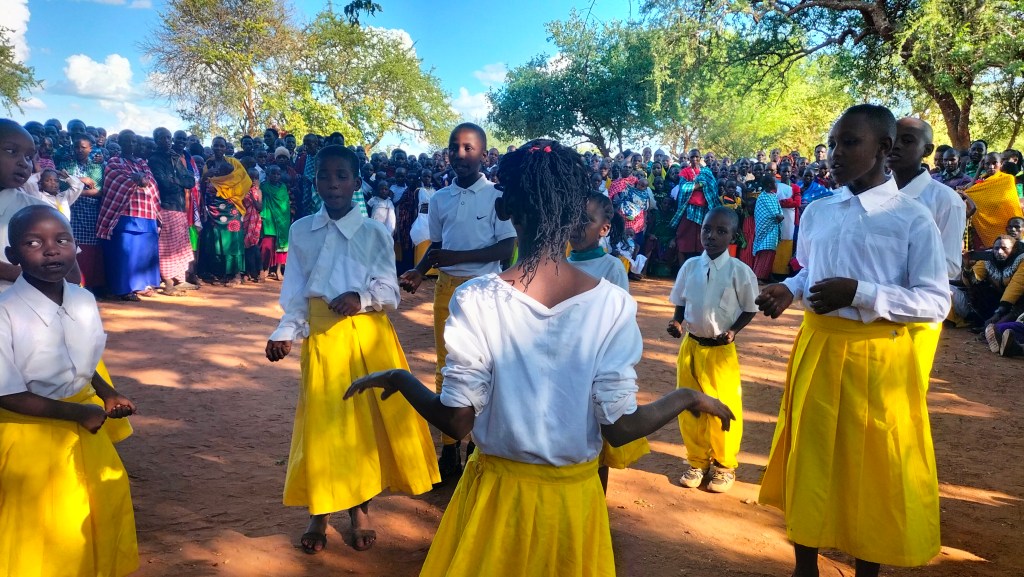
For the past six years, my pastoral ministry in Simanjiro has been deeply engaged with three persistent cultural practices among the Maasai community: Female Genital Mutilation (FGM), child marriage, and forced marriage. These practices continue to shape the lives of many young girls, often at great personal cost.
Although these acts are legally prohibited in Tanzania, they remain widespread. The reason is not ignorance of the law, but the enduring cultural conviction that these practices are integral to identity, honor, and social acceptance. As a result, legal enforcement alone has proven insufficient.
Efforts to curb these practices are further weakened by limited collaboration between community leaders and law enforcement agencies. In some cases, corruption and bribery among officials undermine even the existing legal protections. This creates an environment where violations continue with minimal accountability.
In this context, the most immediate and tangible hope for vulnerable girls often comes from initiatives led by the Church and committed individuals. These efforts focus on rescuing girls at risk and providing them with safe spaces. However, this mission is far from easy. The practices are deeply entrenched and geographically widespread, while rescue centers are few, under-resourced, and often isolated.
Moreover, there is inadequate institutional support to safeguard these initiatives. Those involved in rescue and advocacy frequently operate under significant personal risk. The work is not only demanding—it is, at times, dangerous.
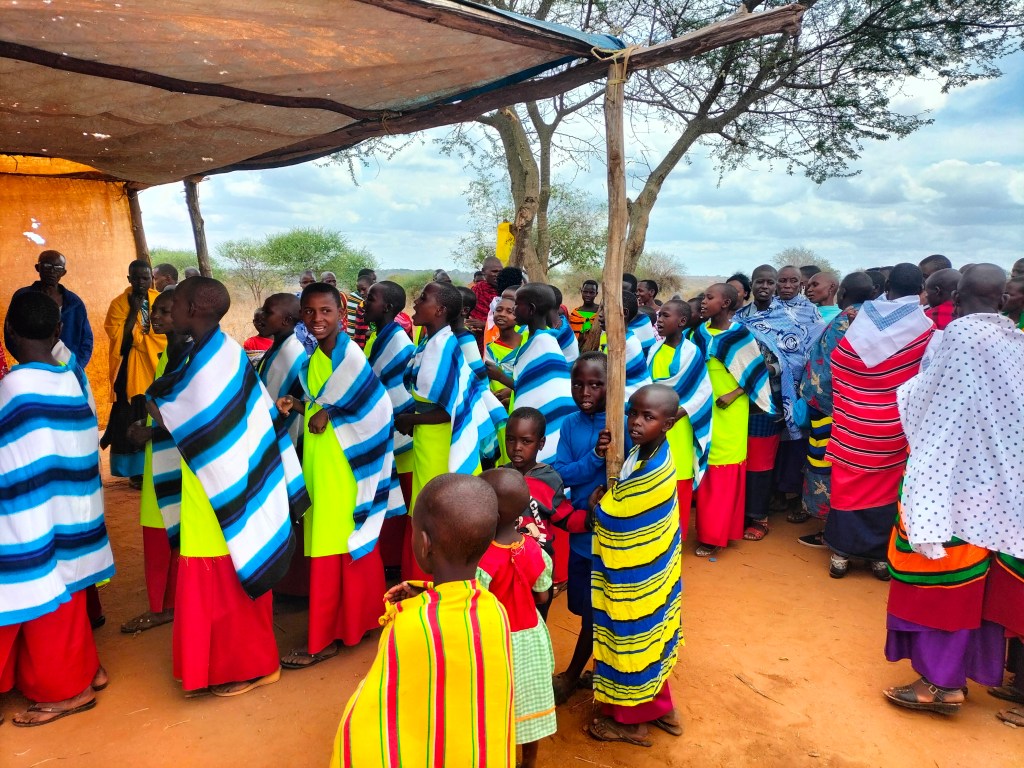
A further challenge lies within the Christian community itself. Some families who identify as Christian continue to uphold these practices, indicating that evangelization has not yet fully transformed cultural attitudes. Even among those who have embraced Gospel values, there is a real fear of social exclusion. Standing against these norms can lead to ostracism from extended family networks and the wider community.
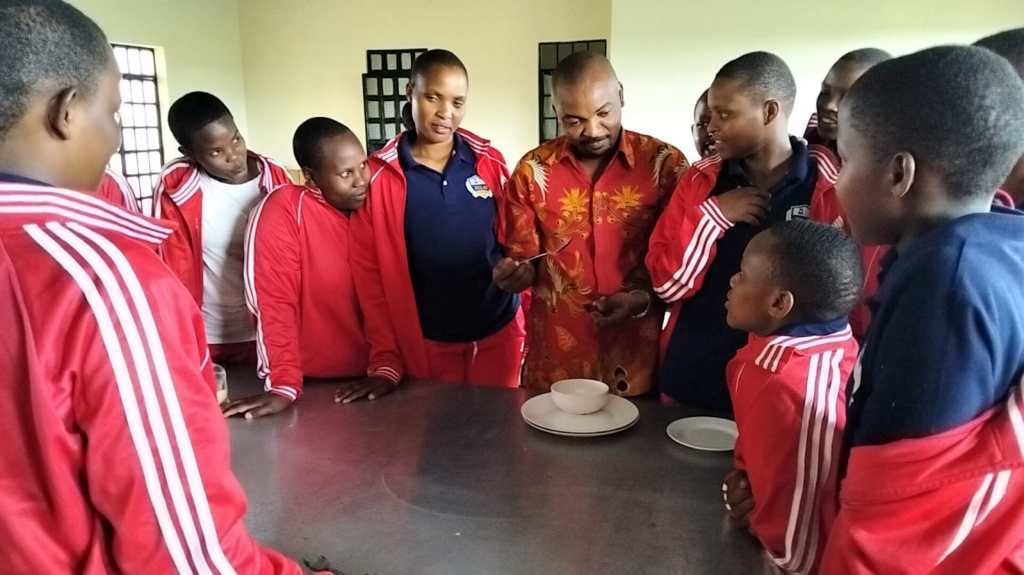
At present, there is only one rescue center in the sub-district, operated by a dedicated parishioner. While its impact is meaningful, it remains insufficient in the face of the daily number of girls subjected to forced marriage and harmful practices. In this center, rescued girls are given an opportunity to rebuild their lives. They receive training in practical skills such as tailoring, catering, and basic computer literacy—tools that can help them regain dignity and independence.
Alongside this, the SVD confreres in the Parish provide psycho-spiritual accompaniment, helping the girls to process trauma, rediscover their worth, and encounter healing through faith. This dimension is essential, as the wounds inflicted are not only physical, but also emotional and spiritual.
The reality on the ground points to an urgent need: more rescue centers, stronger collaboration with authorities, and a deeper, more transformative evangelization that reaches the roots of cultural practice.
The task is complex and ongoing. Yet, the dignity and future of these young girls demand sustained commitment, courage, and concrete action.
Fr. Lawrence Muthee, SVD

