Wisdom 6:12–16; Psalm 63; 1 Thessalonians 4:13–18; Matthew 25:1–13
Wisdom in Hope
One day, as I was driving to an outstation in my former parish, I saw a young man walking along a very remote road where vehicles rarely passed. From the way he walked, I could tell that the bag he was carrying was heavy. The afternoon sun was also very hot. As I approached, he waved, asking for a ride.
On the way, I asked him why he had not waited at the junction for a vehicle to pass. He explained that he did not want to sit and wait. “It was better for me to keep walking because, if no vehicle passed, I would not have wasted time sitting there,” he said. I found his reasoning very wise.
Dear friends, today’s first reading speaks about wisdom and how to find it. The Book of Wisdom presents wisdom as a beautiful woman who makes herself readily available to those who seek her. Wisdom, in this context, is the art of living well. Those who embrace wisdom make good choices and reap the fruits of a well-lived life, while those who ignore it often expose themselves to unnecessary difficulties.
In Hosea 4:6, God says, “My people are destroyed for lack of knowledge.” Ignorance and lack of proper formation can cost us valuable resources and even our lives. For example, many people spend their youthful years indulging in unhealthy lifestyles, only to suffer the consequences in middle and old age. Instead of enjoying the fruits of what they could have built during their productive years, they find themselves struggling with preventable challenges. Those who make wise choices and use their prime years well are more likely to enjoy good health, financial stability and peace in their later years.
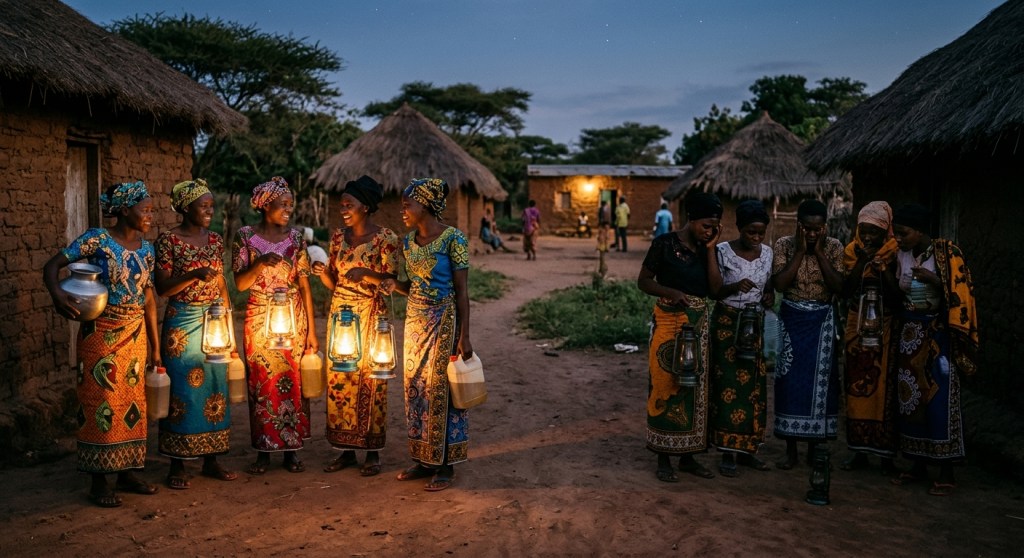
To emphasise the importance of wisdom, Jesus presents us with the parable of the ten virgins: five were wise and five were foolish. The wise virgins anticipated a possible delay in the bridegroom’s arrival, which was not uncommon. They therefore carried extra oil to ensure that their lamps would remain burning. The foolish virgins, on the other hand, failed to prepare adequately. Perhaps they were so excited about being invited to the wedding that they overlooked the need to plan ahead.
As baptised Christians, we live in the hope of the resurrection because of God’s promise to us in Christ. We believe that even if we die, we shall rise again and live with God eternally in heaven. However, Christian hope must never be passive. Our journey of faith has its hills and valleys, and we must remain actively prepared because the evil one is constantly working to lead us astray.
Sometimes, we behave like the five foolish virgins. After baptism, we gradually fall into spiritual complacency and wait for the Day of Judgment as though it should catch us by surprise. We turn to God only when difficulties arise. Worldly wisdom sometimes makes us believe that living according to Christian values is a waste of time. We have made God our gumboots, which we only need during the muddy season and put away when the dry season comes!
The Book of Wisdom presents wisdom as the knowledge of how life and the world operate and how to make the best use of what God has given us. True wisdom is rooted in our relationship with God. We can only discover our full potential and use it well when we remain connected to our Creator. Yet some people destroy themselves by imagining that they are wiser than God and that His commandments are obstacles to their freedom. The truth is that success built without regard for God and His values is often short-lived.
Hope is precious. A person without hope has very limited options in life. However, false hope can be even more dangerous than having no hope at all. False hope is like a snare that easily catches its prey. The merchants of false hope are everywhere in our villages, towns and cities. Their businesses are cleverly designed to attract and exploit the unsuspecting. Sadly, many baptised Christians fail to benefit fully from their faith because they no longer seek to deepen the catechesis they received as children.
Through baptism, we become children of God and are given the freedom to approach Him with confidence. Jesus is the Way to the Kingdom of God. Our religious ministers are called to facilitate our relationship with God, not to present themselves as gatekeepers or intermediaries through whom we must purchase God’s blessings. We are no longer strangers to God who need prophets to speak to Him on our behalf. Through the death and resurrection of Jesus, we have been reconciled with the Father and made His children. Let no one take this dignity away from us by pretending to broker God’s blessings for a fee.
My dear friends, true hope is always active and vigilant. Jesus urges us to remain watchful and prepared, just like the five wise virgins. We should not simply sit and wait for someone to rescue us when difficulties arise; we must take responsibility and act wisely. Believing in God is good, but living according to the demands of our faith is true wisdom.
Have a blessed Sunday.
Fr. Lawrence Muthee

