
Acts 2:1–11; Psalm 103(104); 1 Corinthians 12:3–7, 12–13; John 20:19–23
Who Is the Holy Spirit?
Dear friends, today we celebrate the great feast of Pentecost, the day the Holy Spirit descended upon the disciples gathered in the upper room, just as Jesus had promised them. The word Pentecost comes from the Greek pentēkostē, meaning “the fiftieth day,” because it is celebrated fifty days after Easter Sunday.
Among the Jews, this feast was known as Shavuot, celebrated fifty days after Passover in remembrance of God’s deliverance of Israel from slavery in Egypt. For Christians, however, Pentecost marks something even greater: the birth of the Church through the preaching of Peter and the apostles. As the Acts of the Apostles tells us, “Those who accepted his message were baptized, and about three thousand persons were added that day” (Acts 2:41). From that moment, the Church founded upon the apostles began its mission to the world.
But who is the Holy Spirit? At the very beginning of creation, Scripture tells us that the Spirit of God—also translated as “wind” or “breath”—was hovering over the waters (Gen 1:2). Throughout the Old Testament, God continually inspired chosen individuals through His Spirit to carry out divine missions. Prophets spoke through the Spirit, judges led through the Spirit, and kings were anointed by the Spirit.
At the baptism of Jesus, the Holy Spirit descended upon Him in the form of a dove. Today, in the feast of Pentecost, Jesus sends that same Spirit upon His disciples. Those who had been hiding in fear suddenly become courageous witnesses, boldly preaching to the very people they had feared only days earlier. This same Holy Spirit continues to dwell within us through the sacraments of Baptism and Confirmation.
God chose to reveal Himself to us—not as a distant and isolated ruler controlling the world from afar, but as a communion of persons known as the Holy Trinity: Father, Son, and Holy Spirit. The history of salvation can therefore be understood in three major phases. The first phase is that of God the Father: the creation of the world, the calling of Israel, and God’s guidance of His people through judges, prophets, and kings.
The second phase is that of God the Son, Jesus Christ. This includes His birth, ministry, suffering, death, resurrection, and ascension into heaven. Jesus, the Son of God, was sent into the world to save humanity from slavery, ignorance, and eternal damnation.
The third phase is that of the Holy Spirit, beginning at Pentecost and continuing to the present day. This is the age of the Church. Through the Holy Spirit, God continues to guide, sanctify, sustain, and save His people. In Baptism we receive the Holy Spirit, and in Confirmation His gifts are strengthened within us so that we may live according to the will of God.
Yet many people still misunderstand who the Holy Spirit truly is. While Sacred Scripture clearly presents the Holy Spirit as the Third Person of the Blessed Trinity, some reduce Him to a mere instrument for performing miracles. The Holy Spirit is not a tool at beck and call of preachers or prophets. He is the Lord, the giver of life, and the principal agent in the mission of salvation. His true identity is in the Creed we profess.
Those called to preach the Gospel are merely instruments of the Holy Spirit. It is He who inspires preaching, teaching, healing, and every authentic work done for the glory of God and the good of humanity. St. Paul reminds us that it is through the Holy Spirit that we are even able to cry out, “Abba, Father.” Without the Holy Spirit, we cannot truly know, love, worship, or serve God.
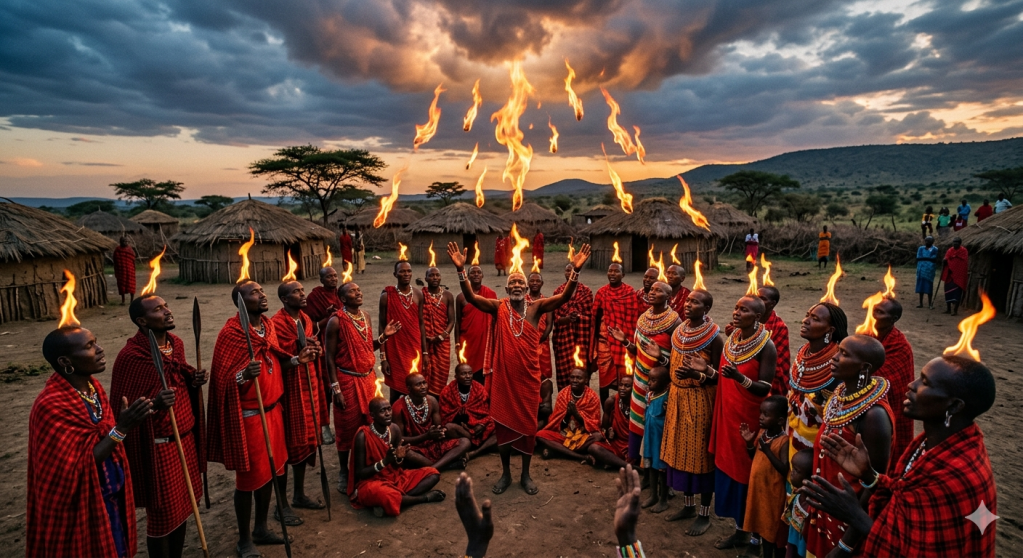
Today, there is also much confusion regarding the gift of tongues received at Pentecost. The first reading tells us that when the disciples spoke, each person present heard them in his or her own native language. The miracle was one of understanding and unity. This is very different from producing incomprehensible sounds that neither listeners nor speakers themselves can understand.
In fact, Pentecost is the exact opposite of what happened at the Tower of Babel (Gen 11:1–9). At Babel, human pride led to confusion and division of languages. At Pentecost, the Holy Spirit brings unity and mutual understanding among peoples.
The Holy Spirit works powerfully within us when we remain faithful to the commandments of God revealed through Christ. Through the Spirit, the Father and the Son continue to dwell in us. He is our Advocate, defending us against evil and guiding us toward goodness and truth. Through His many gifts, He accomplishes God’s mission within each of us.
In today’s Gospel, Jesus breathes upon His disciples and says: “Receive the Holy Spirit.” He then entrusts them with authority to forgive sins in His name. This becomes the foundation of the Sacrament of Penance, through which priests act in persona Christi—in the person of Christ—to reconcile sinners with God.
Dear friends, let us not be deceived by those who commercialize miracles and behave as though the Holy Spirit were at their command. The Holy Spirit is not at the disposal of human convenience. He is God Himself, worthy of worship, reverence, and obedience.
Let us therefore open our hearts to the Holy Spirit and ask Him to renew within us the fire of the Gospel, strengthen us in holiness, and guide us always in the path of truth and goodness.
Have a blessed Sunday.
Fr. Lawrence Muthee, SVD
Also visit: svdkentan.com
 SVD JAMBO KENTAN