
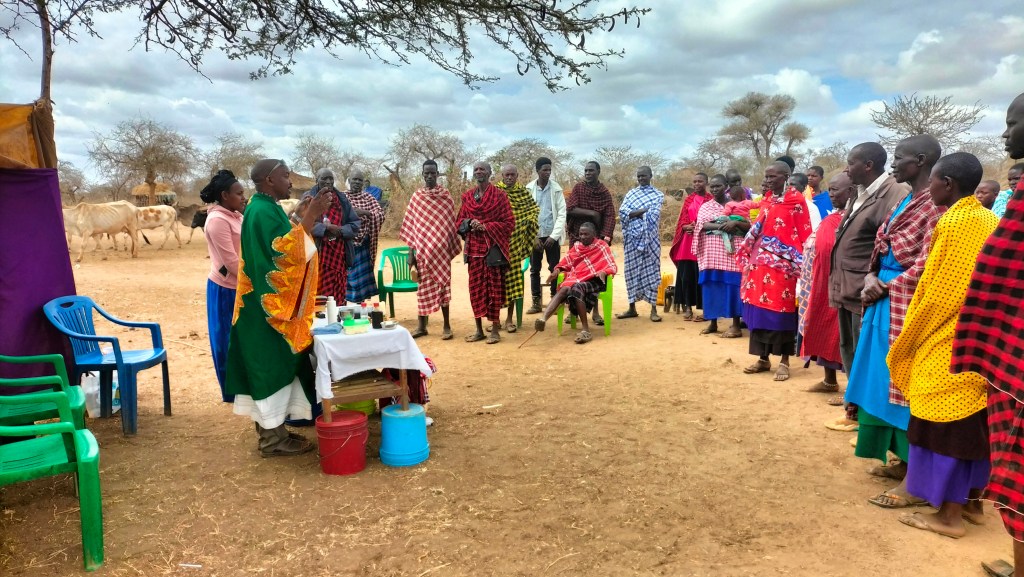
Before I talk about mission mobility, I would like to give a background reflection on our mission in Simanjiro as a Special Apostolate. Simanjiro SVD Mission is unique in many aspects. We consider it a special apostolate because there are many unique considerations required to work here. Specialized ministry technically could mean several things depending on the context. First, it could mean targeting specific groups (e.g. the vulnerable, homeless, refugees, etc. Second, involving a particular training (e.g. psychology, social work, teaching ministry, etc.), and third, geographical uniqueness (e.g. Maasai apostolate).
To be able to work in unique ministries, a missionary needs to specialize in the relevant fields. Specialization can be defined as the process of concentrating on and becoming an expert in a particular field or skill (e.g., expertise in dealing with special groups of people or environments). It means going beyond what is common. It may come through further training or focused experience (mechanics, teaching, preaching, etc.). Nevertheless, each one of us is called to be an expert in what we do and, in the fields where we work.
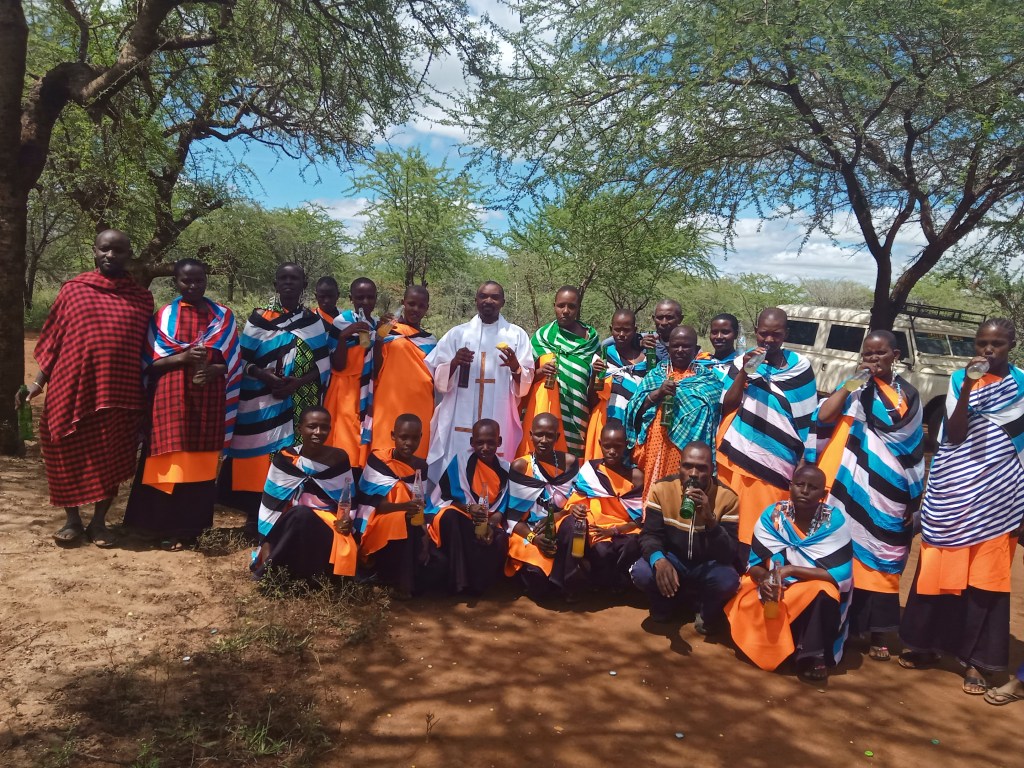
In Simanjiro Parish, the majority of our faithful are women and girls. Many men were baptized but did not go to Church or Small Christian Communities (thereafter SCC), the boys went to graze cattle. According to the Maasai traditions men are bequeathed higher dignity and standing over women, and age is the biggest factor that determines the hierarchy of that dignity, in the Church we are all regarded as equal children of God. Culturally, Maasai men cannot be instructed or led by either women or younger men than themselves. Men also do not sit together with women and children after circumcision. Young worriers cannot even eat in the presence of women. For this reason, it is still difficult for many men to go to Church even when they want to.
Apart from going to worship, women love going to Church for several other reasons including to rest from daily chores (Milking, cleaning, washing, fetching water and firewood, cooking, building houses, taking care of children), to meet, and to chat with other women freely. Since men are the custodians of all family resources (Cattle and land), women depend on their generosity to get money for mass collections and other contributions. The few men who go to Church because they hold positions of leadership. A few young men are in the choir. This is one of the reasons why the mission cannot fully sustain its budget. However, slowly, the efforts of re-evangelizations by Divine Word Missionaries over the last 22 years are bearing fruits and in the future, the mission may be self-reliant. The only major challenge is the effects of climate change that are threatening to wipe out the major source of income for the people which is livestock. In the year 2022, more than 60,000 cattle died because of drought.
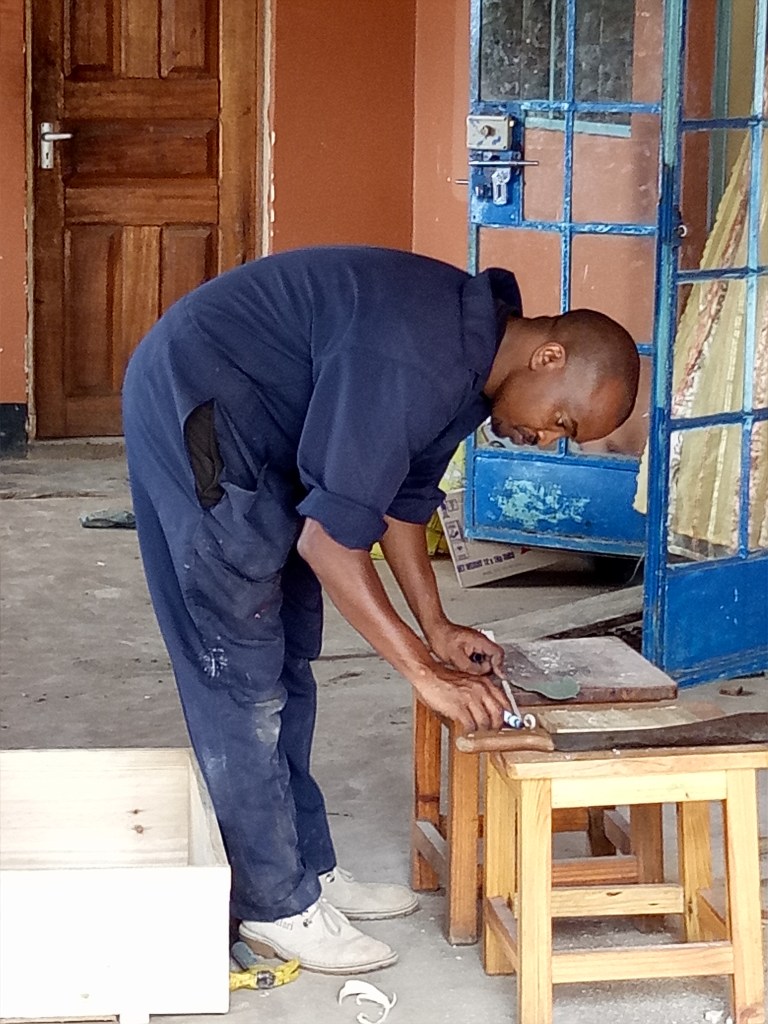
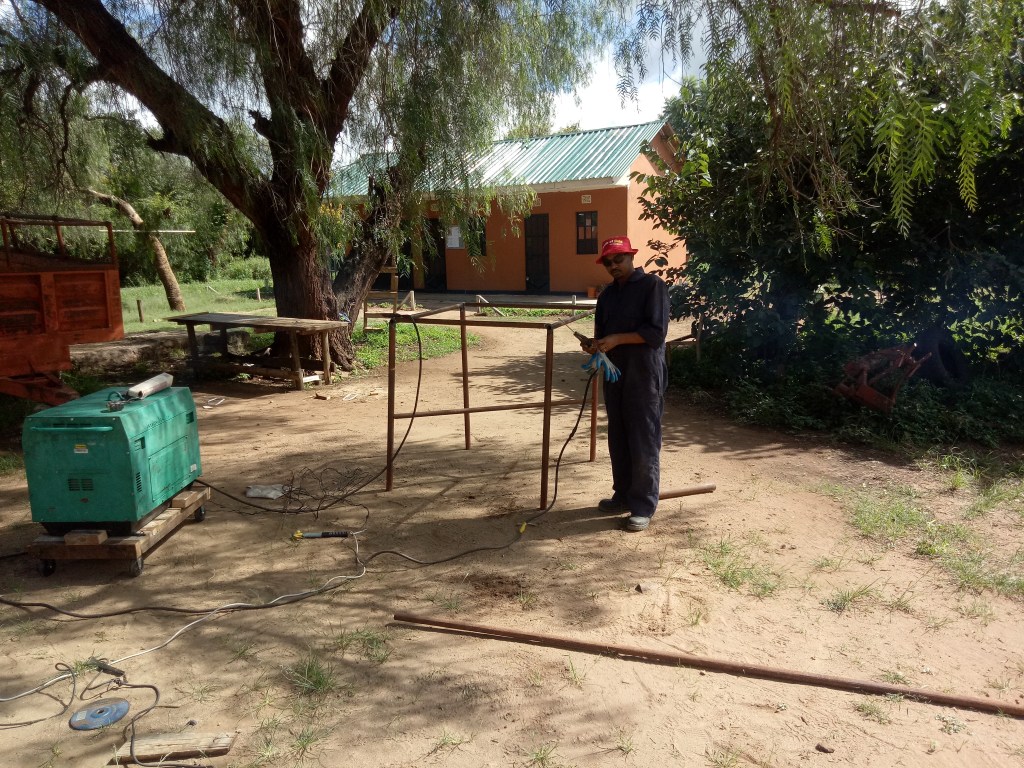
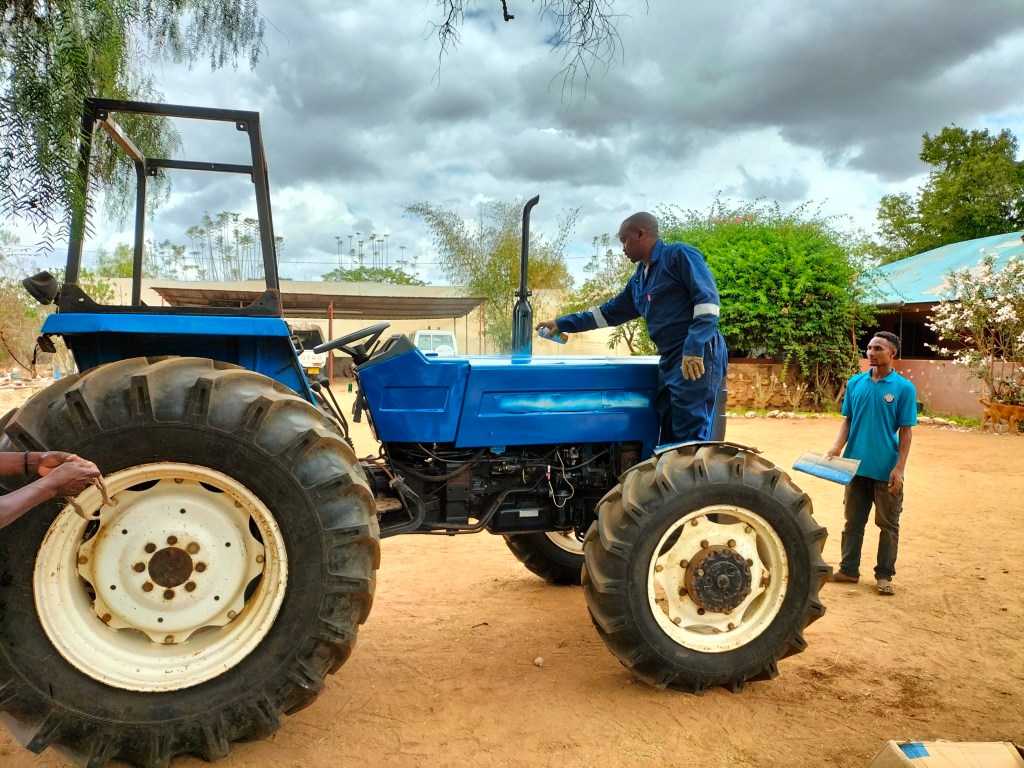
When I was growing up, I learned many technical skills from my parents such as farming, mechanics, repair, and maintenance, among many others, that became very helpful in my mission in Simanjiro. Being a remote district with indigenous Maasai people making up 95% of the population, a lot of technical skills are needed for a missionary to survive. This is because the only thing the Maasai people know very well is livestock keeping. If you need technicians for any other things such as fixing vehicles, generators, welding, water pumps, building and repairing structures, fixing hospital equipment, etc. you have three options. One, to drive 2 hours to Arusha city on a rough road, two, to call technicians from Arusha at a very high cost, or three, to fix it yourself. Thanks to the skills I learned from my parents and that I developed over a long time, I can fix many things by myself, something that has since saved the mission a lot of valuable dollars.
Going back to the title of this article, in Simanjiro we can say, mobility is synonymous with mission. The closest out-station is 9 kilometers and the furthest is 95 kilometers from the parish. There is no regular inter-village public transport because of bad roads. The only public transport is 4×4 Land Rovers, and Land Cruisers that make daily trips to Arusha city and back. Others are trucks that go from one village market to another every week. Therefore, to be able to carry out mission activities, we need strong vehicles. If you visit interior Catholic missions in most of the missions across Eastern Africa, you will likely see 4×4 Landcruiser vehicles with the sticker written MIVA in form and a Cross at the back. Many people, including the parishioners themselves, do not know the meaning of these abbreviations. Well, MIVA means Mission Vehicle Assistance. MIVA is a Catholic Organization Based in Austria. According to the Organization’s website, https://www.miva.at/en/, MIVA Austria is a relief organization of the Catholic Church. Its task is to finance means of transport of all kinds for use in missions and development aid: cars or off-road vehicles, motorbikes, bicycles, tractors, agricultural equipment, and occasionally also boats, mobility aids, or pack animals, depending on requirements.
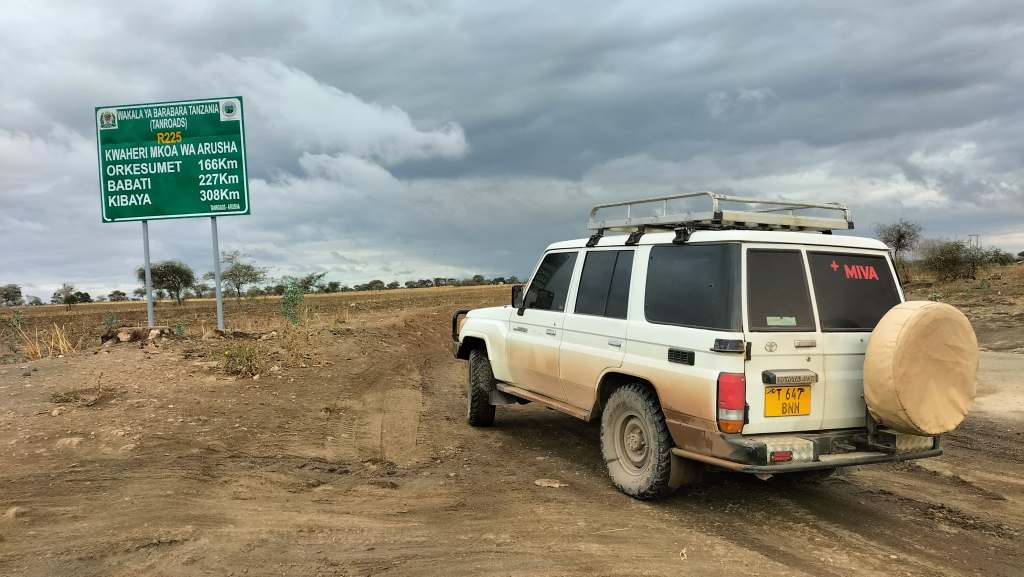
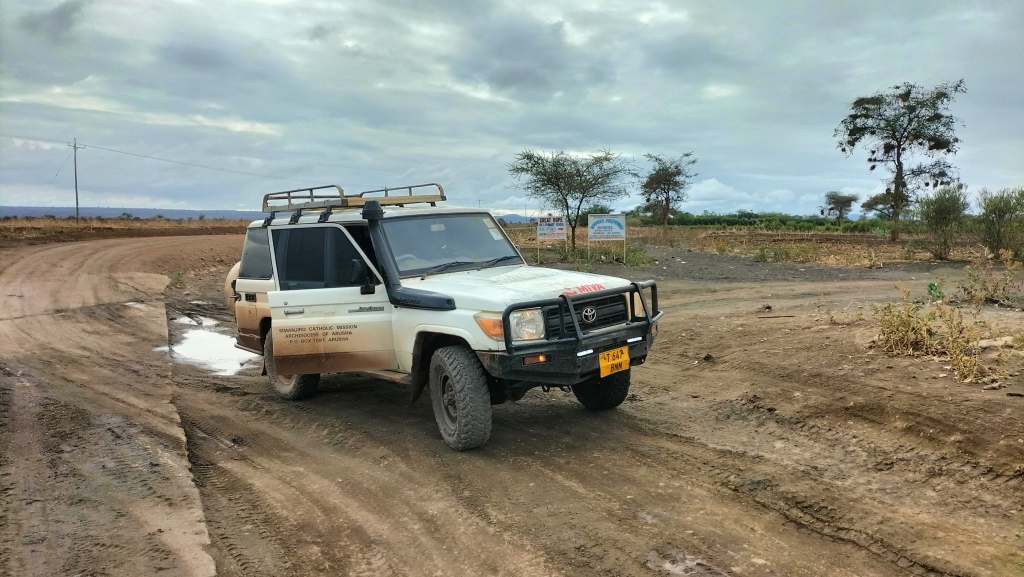
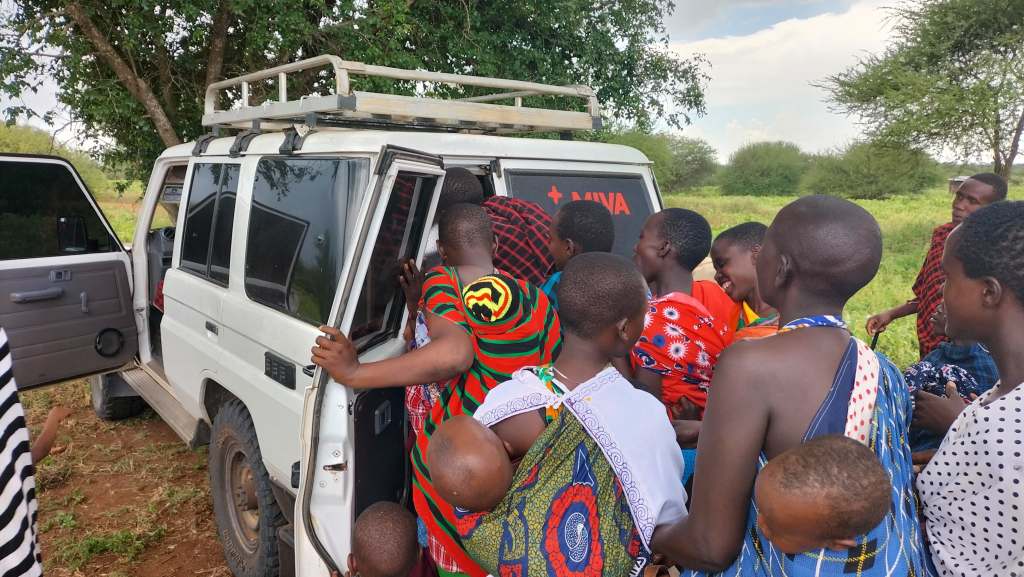
Simanjiro Catholic Mission is in the interior Maasai Stripe North-Eastern part of Tanzania, 100 Kilometers from Arusha City. 13 years ago, MIVA donated a 4×4 Landcruiser vehicle to our mission. This vehicle has enabled confreres to reach many villages in the parish. When I took over as Parish Priest in 2019, I did an overall repair to give it more life. However, I realized that this vehicle was not enough to accelerate the work of evangelization. I was also impressed by the sacrifice that the catechists made every week to reach the stations on foot. Some of them were walking as far as 50 Kilometers from their homes to reach their stations. Sometimes they were unable to reach the stations or go back home, especially during the rainy seasons. This was affecting their families and livelihoods.
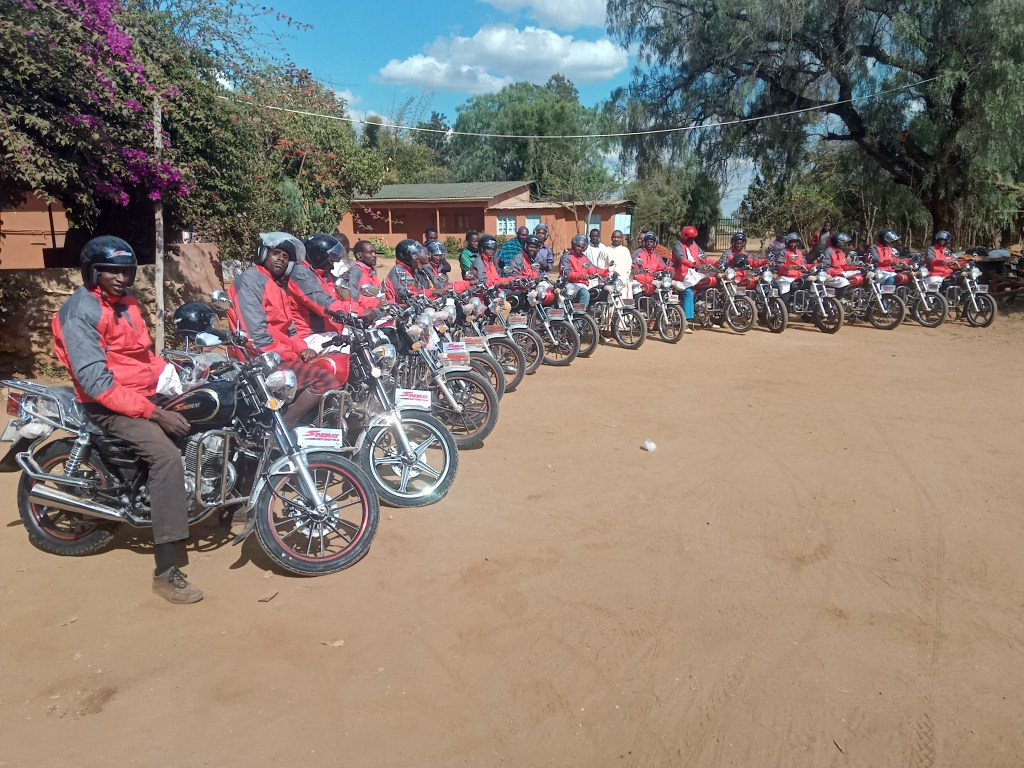
In mid-2020, I wrote to the Chicago SVD Province Mission Secretariat requesting assistance to purchase motorcycles for catechists. The title of the project was “Wheels to Evangelize”. The project was granted, and our 21 catechists got wheels to reach many corners of our vast parish in August 2020.
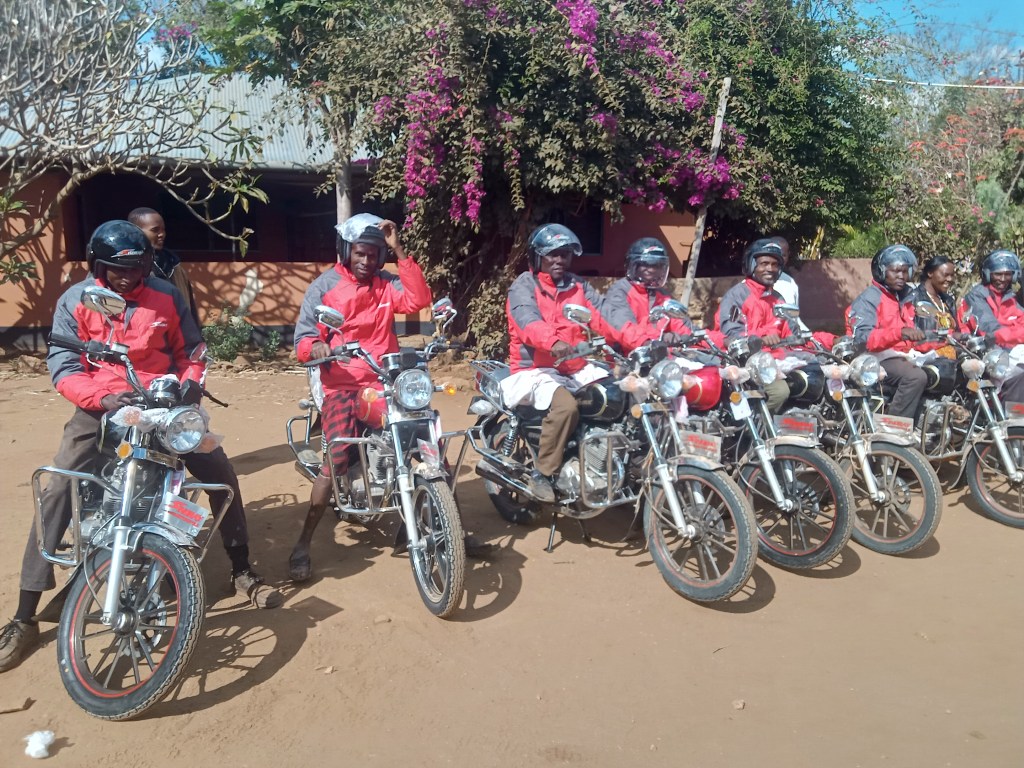
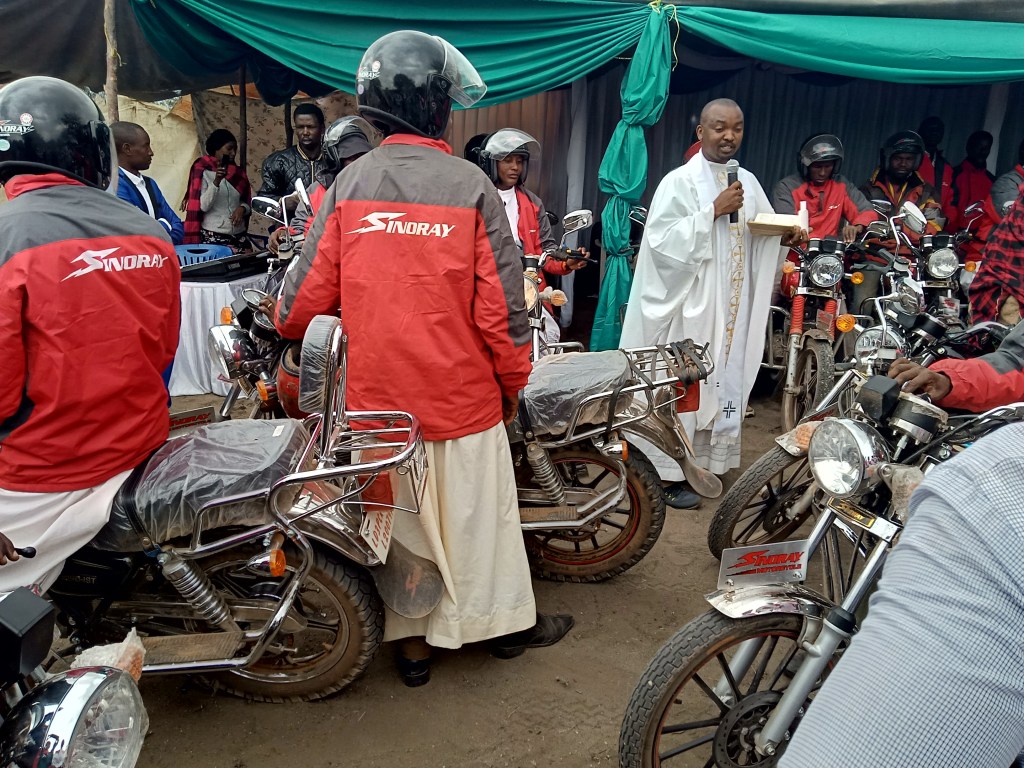
Four years down later, we have witnessed tremendous growth and transformation of faith in our people. The catechists were able to visit their stations and small Christian communities regularly. We agreed that the first mission for the motorcycles was to reach as many people as possible to spread the Word of God. The second mission was to use them as a source of income for their families. Today, the catechists are forever grateful for this grace that has since made their mission easier, and fruitful, as well as improved their economy.
We made a contract with them stipulating the terms and conditions for the use of the motorcycles. On Fridays, they are supposed to teach religion in schools located in their stations, on Saturdays to teach faith and sacramental catechism for both children and adults, on Sundays, conduct Bible service on Sundays when there is no Mass, and any other apostolates assigned to them such as conducting funeral services. The rest of the days they were supposed to use the motorcycles for economic activities to earn a decent living for their families. By the end of December 2023, the parish had 34 stations. With three confreres working in the parish now, each station gets mass at least once in two months. We normally go for masses on Saturdays and Sundays to the stations. On weekdays we have small Christian community masses, thanksgiving masses, house blessings, funerals, and visiting the sick, among others. The catechists take care of the stations during the rest of the weekends.
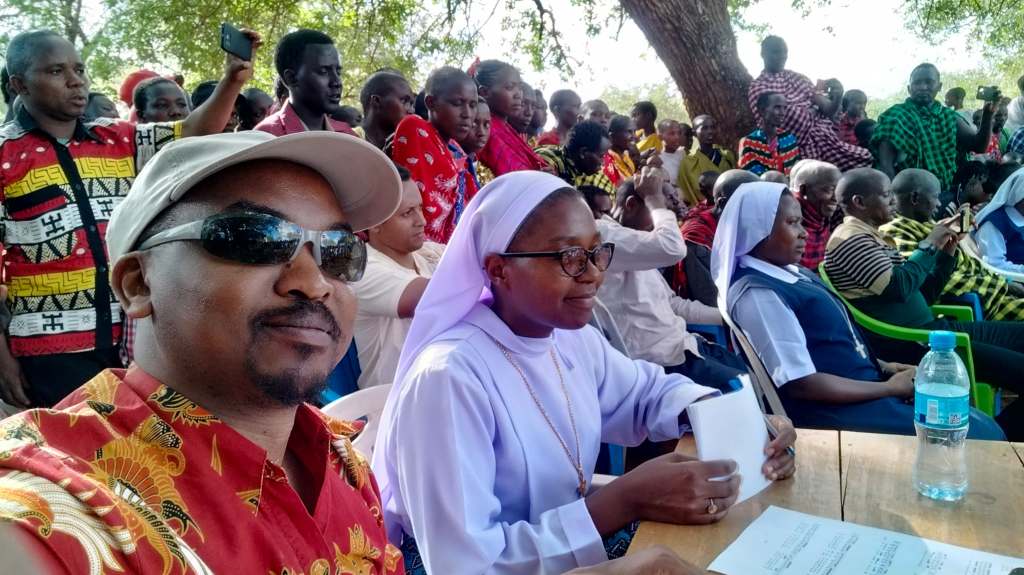
Some of the direct benefits reaped from the “Wheels to Evangelize” project include:
The catechists can now carry out their apostolate and go back to their families in time. Before some of their families complained about the catechists staying away too long and not taking care of their needs.
Since 2021 we started Sunday School for children before the main service for the adults in all the stations. The stations provide fuel and food for the catechists when they go to the apostolate.
The number of children going to church increased tremendously. Small Christian Community visits have helped also to reduce cases of child marriages and other vices such as female genital mutilation.
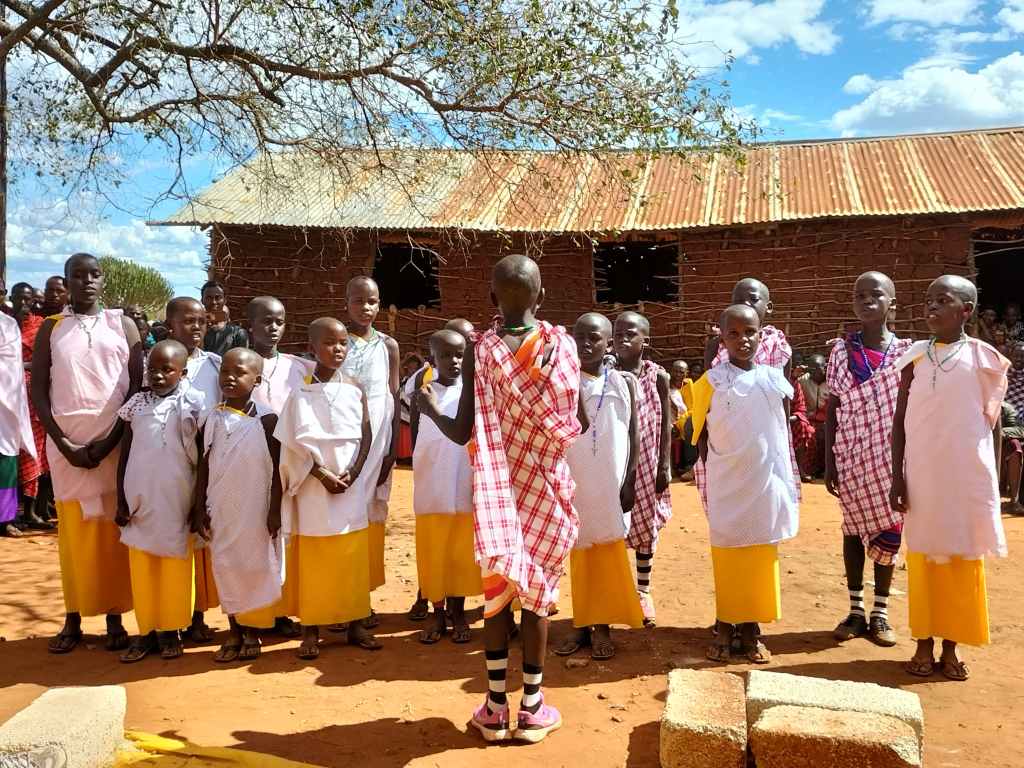
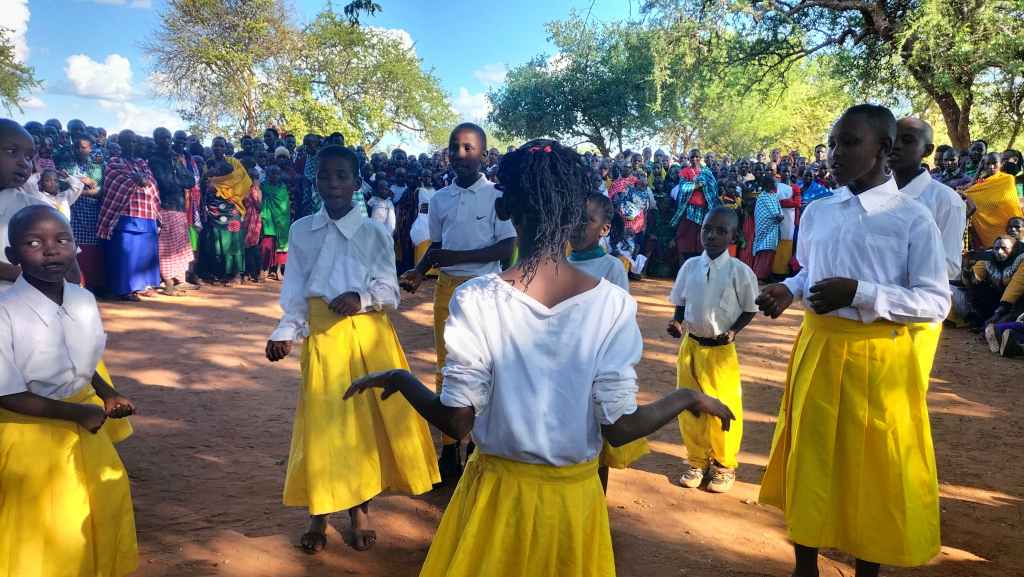
Apart from regular singing competitions, in 2021 we started singing competitions for children every Christmas day. Due to long distances and lack of transportation, we are unable to transport all the children for this annual event. We have now more than 3000 in the entire parish. Last Christmas we had 24 children’s choirs and over 1000 children taking part in the competition.
We are now able to transfer the catechists from one station to another after every one or two years. This has helped a lot to inculcate in them the missionary spirit.
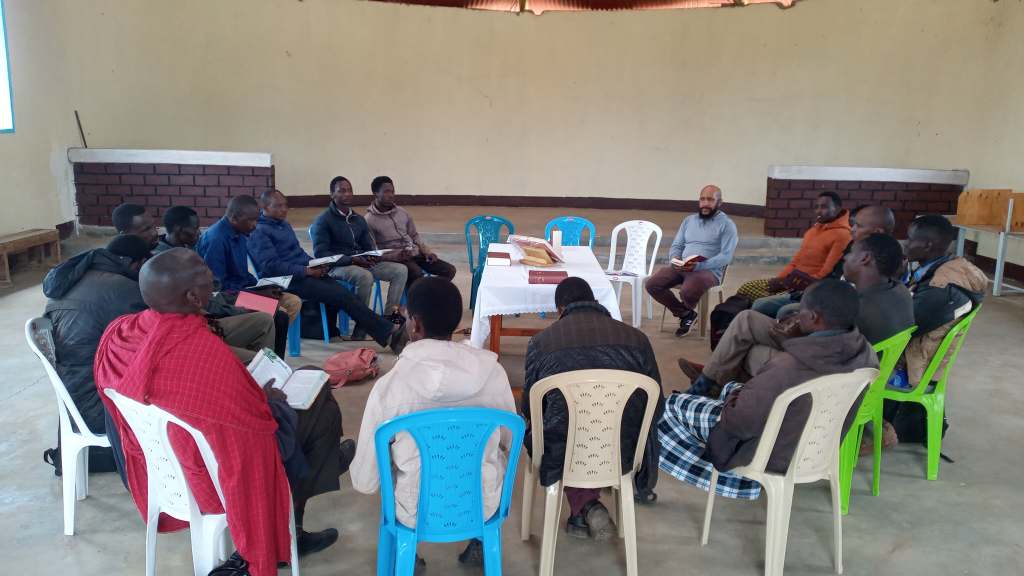
We are now also able to conduct our monthly recollections, meetings, and training for the catechists in the parish. This has improved a lot their knowledge of the tenets of the Catholic faith and their mission mandate. We meet every first Wednesday of the month and the catechist brings all collections for the month and reports on the progress of the stations. During this meeting, we plan masses for the month.
As a result of enhanced mobility, we have opened 7 more stations since 2021 in the interior places that catechists were not able to reach before. At the end of 2024, the parish gave birth to a new mission that was given to the diocesan clergy. There is still a need to open more stations close to the people. Some people walk more than 10 kilometers to their stations. The most recent station we opened was Olmoti in February 2024 and on Saturday 29 June 2024, we baptized the entire village after lengthy preparation by the catechists.
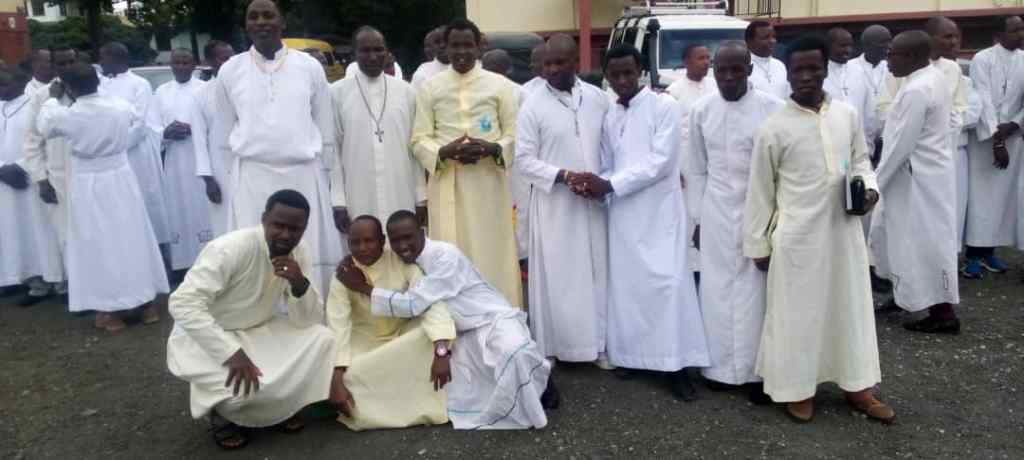
We are grateful to all who contributed to making our mission keep running and reaching more people.
To expand to the interior part of the district, we continue to recruit more catechists and so far, we have got four new catechists who have completed their studies and four more who are going for training in August 2024 after completing their assessment. We made a policy that those willing to become catechists must volunteer for at least one year and attend the monthly meetings and training to assess their intention and test vocation. If we find them fit, we take them for catechetical training at Lumen Christi Institute run by Fransalian Fathers in Arusha for three months. The new catechist will need motorcycles to help them in their assignment.
 SVD JAMBO KENTAN
Good and interesting job. Motorcycle as a way of earning life and , at the same time, to extend religion.Congratulations!
LikeLike