Fr. Lawrence Muthee, SVD
Simanjiro
Since my first day in nursery school, I served as a prefect until I graduated from high school. Being a prefect is a huge responsibility. One has to study and monitor his or her fellow students on behalf of the teachers and school authorities. Though they play a very important role in smooth learning, prefects are not always the favorites of many students, especially the naughty ones. They are mostly regarded as spies working for the school authorities. The main responsibility of the prefect is to facilitate communication between the teachers and students. He or she must be alert and keen to the details; be aware of what is happening all the time. If the prefect sleeps on her job, there will be confusion between the two ends.

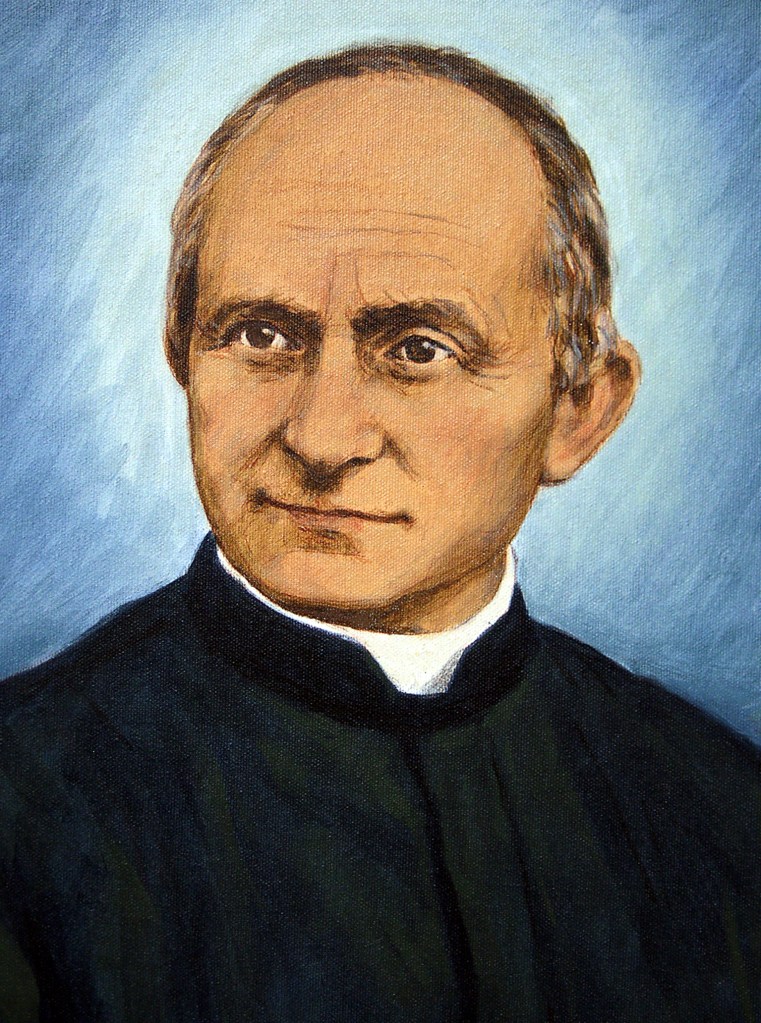
I am referring to my experience as a prefect because I believe that this is where my interest in communication began. Over the years, I have delved deeply into the world of communication in its various forms. From the very basics of effective day-to-day conversations to the more complex print, digital, and online media. When I joined the Divine Word Missionaries (SVD), I discovered immediately that communication was one of the four characteristic dimensions in which the society carries out its mission. Since the very beginning, our founder, St. Arnold Janssen, invested a lot in communication. He published prayer leaflets to propagate devotion to the Sacred Heart of Jesus. His idea to start a missionary congregation was inspired by the mission news and articles from St. Daniel Comboni, who was working in Sudan at the time. Since then, communication has evolved enormously in the life and mission of the congregation.
After my ordination in 2016, I was appointed the communications coordinator for the Kenya-Tanzania SVD Province, and later, in 2022, I was elected as the communications coordinator for the AFRAM (Africa and Madagascar) zone to date. In June 2017, I established the SVD Jambo KenTan website for the province. Since then, we have published 553 posts, which are mostly mission stories, events, best practices, and spiritual and social reflections. The website has 60 active subscribers. More than a hundred thousand people have viewed the site, and over thirty thousand have visited various posts during the last 8 years of its existence. About a hundred young people have written to us expressing their intention to join the society.

The publications we have posted over the last eight years have made a tremendous impact on the world. Some examples from comments,
Trees don’t rain; trees are planted.
Great article. ‘Trees don’t rain; trees are planted.’ I have read this article just because of the heading. Very interesting. God bless you for this. I hope it will inspire those who read it to act. Do something for our Mother Earth.
Reflections on critical matters in society
I totally agree with you, Brother. Ignorance is one factor that can lead people to find themselves in trouble. We need to create awareness and also say things clearly to the young ones who want to join. There is also the trend emerging of people who are looking for all opportunities to discredit the Church and extort money. These individuals have discovered ways to blackmail. They can even stage-manage the issues and leave them to the public jury. Obviously, the clergy and religious accused will always be on the receiving end.
However, this must not discourage many good-intended religious and clergy from serving the people. Man can never be perfect, but with proper training and true living of the values, a lot of evil can be avoided. Many who become religious and clergy might have been abused while they were young. They also come from the same society and not from heaven.
You cannot know the intent of every person who comes to seek help from the religious and clergy. But God is always watching.
Let the debate continue.
Vocation promotion to mission
Good afternoon. What are the qualifications for joining this congregation? I am a Ugandan.
Thanks
I would like to know in detail about this society and the criteria or conditions that guide in accepting the youth interested in joining you.
Sharing best practices,
Good and interesting job. Motorcycle as a way of earning a living and, at the same time, extending religion. Congratulations!
Mission Collaboration,
Our publications have helped a great deal in getting mission collaborators. Here I will just give two major examples.
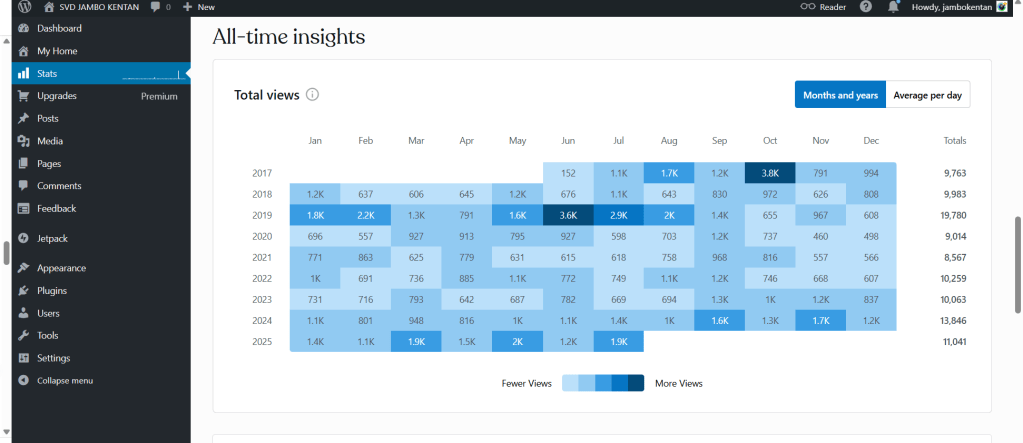
It is because of this last one, “Mission Collaboration,” that I am writing this article. I am going to share two beautiful stories in this regard. In the year 2019, I published an article featuring the challenges in our remote mission of Good Shepherd Simanjiro Parish among the Maasai community in the North-Eastern Part of Tanzania. The article, “Wheels to Evangelize,” was also published in the SVD Chicago Province Mission Magazine. The article attracted many mission collaborators, and from their generous donations, we received 21 motorcycles for our catechists in September 2020. At that time, we had only 19 outstations in our vast mission, the furthest being 95 KM and the closest 10 KM from the parish center. With enhanced mobility for the catechists, we were able to open 15 more stations. We also started the Sunday School service for the children, improved catechetical instruction, Sunday services, faith education in schools, and visiting basic Christian communities. Previously, the catechists, who had to walk for hours to reach their stations, only did what they could. In some cases, it was just impossible. Today, we have more than 3000 active children in our parish. Many have received the initial sacraments. Every Christmas Day, they have a children’s choir competition. This has reduced significantly child marriage and school dropout. The catechists’ lives also improved significantly because they are allowed to use motorcycles to earn a living for their families.
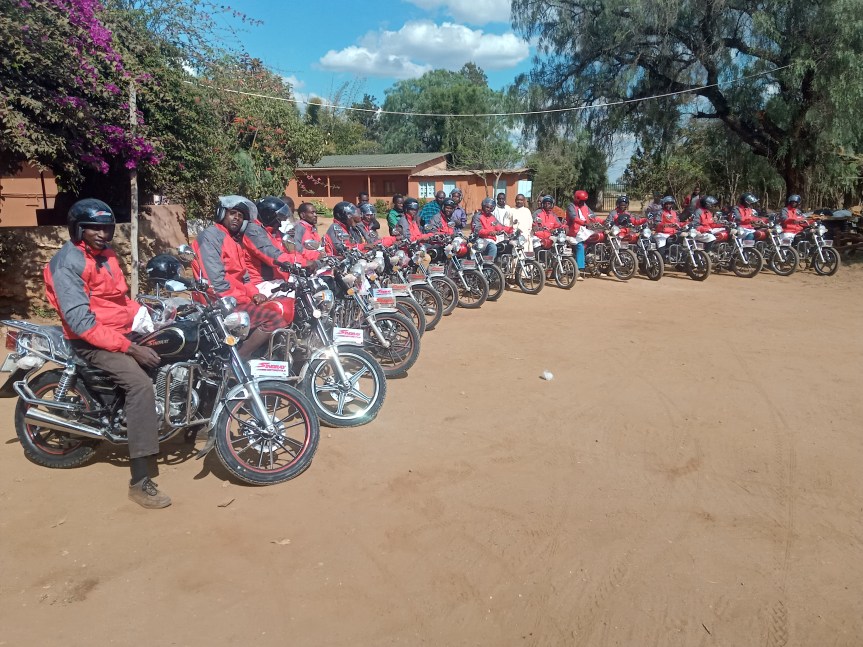
Motorcycles for Catechists 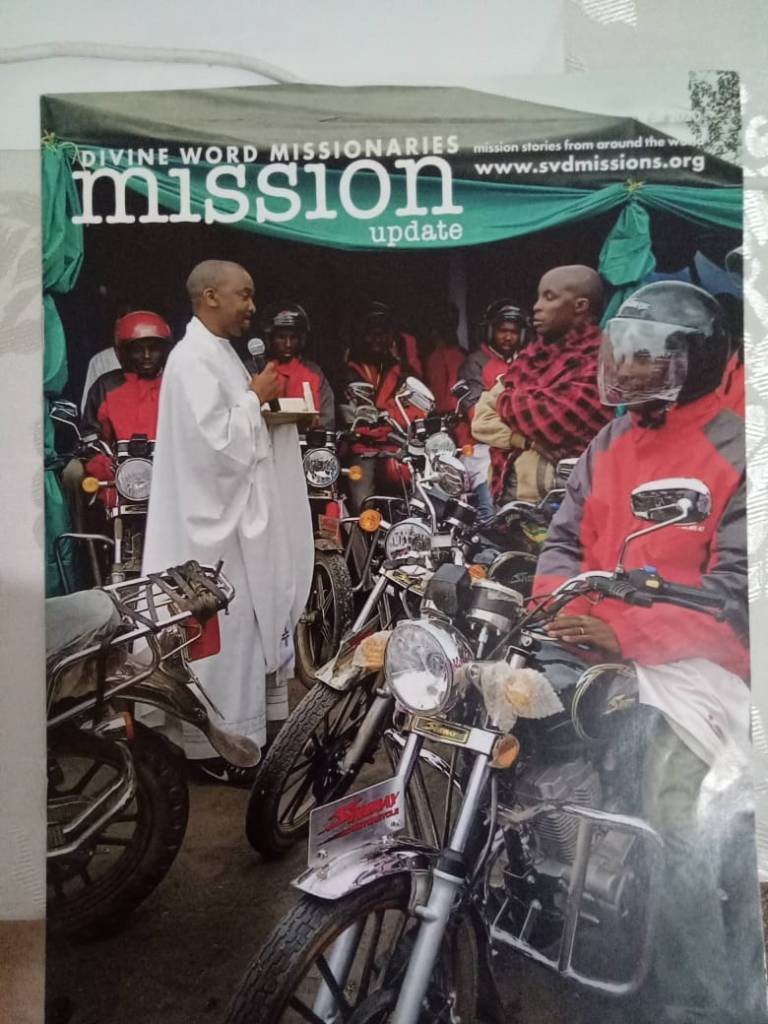
Blessing 
Catechists 
PMC 
New Stations
The second and most recent story is the realization of the dream to establish a vocational training center for youth, where our young people can learn skills for self-reliance. After many years of working with the Maasai people, I have discovered that they have many resources, but their cultural traditions and customs inhibit them from developing. Life is very difficult, especially for women, children, and the youth. Though they do not complain because they believe that this is how things are meant to be, they cannot deny that they face a lot of hardship. We can say that, generally, the community has been marginalized in many ways. There is a lack of adequate infrastructure, such as roads, power, water, schools, and health facilities. Many adults have never attended a formal school, and in some villages, children have to wait until they are old enough to trek long distances to school. We have helped to establish more than 10 nursery schools in different villages so that children can start school early.


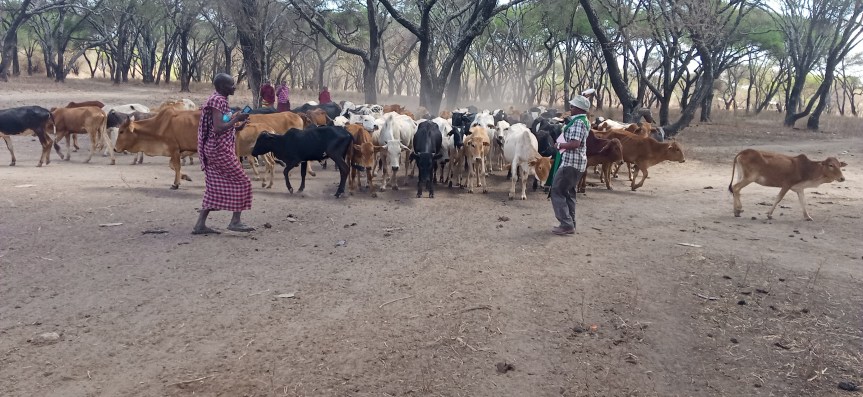

My mission here has been mostly focused on sensitizing the community to the hazards of outdated cultural practices such as polygamy, child marriage, forced marriages, and teen pregnancies, and opening their eyes to see life beyond their culture and locality. In the year 2020, I began a deliberate journey of scientific investigation into Maasai culture and cultural practices with the aim of finding ways to help mitigate some of its challenges. This journey culminated in a master’s program in Digital Innovation and Entrepreneurship at the International University of Applied Science in Germany, which I concluded in August 2024.
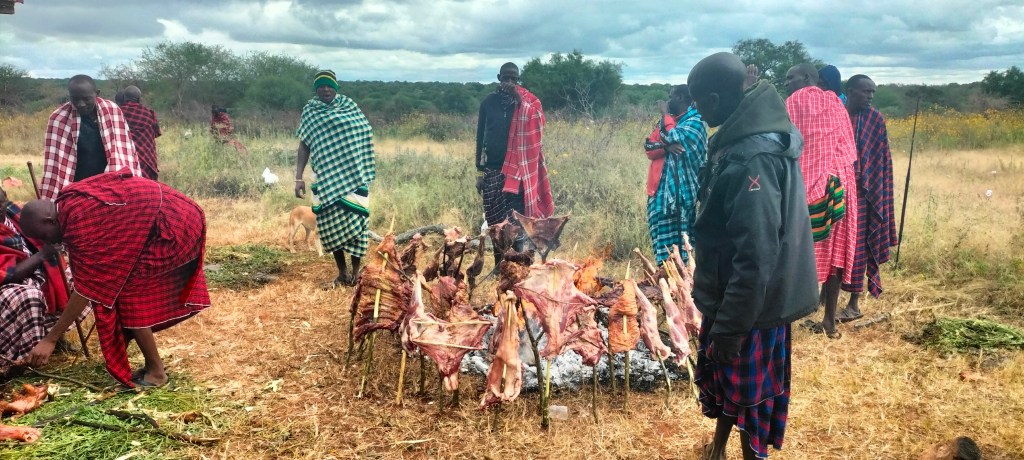
Maasai Men Roasting Meat 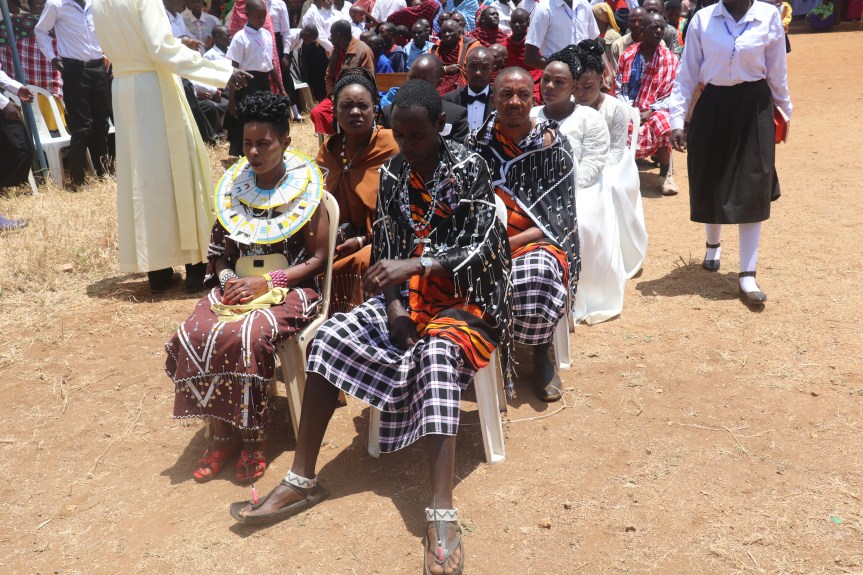
Church Wedding 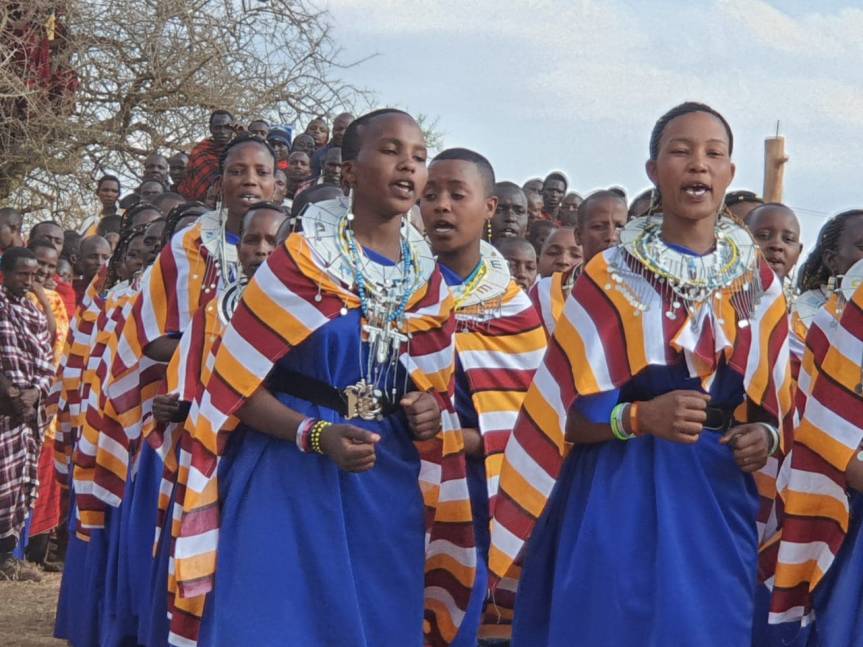
Choir Singing 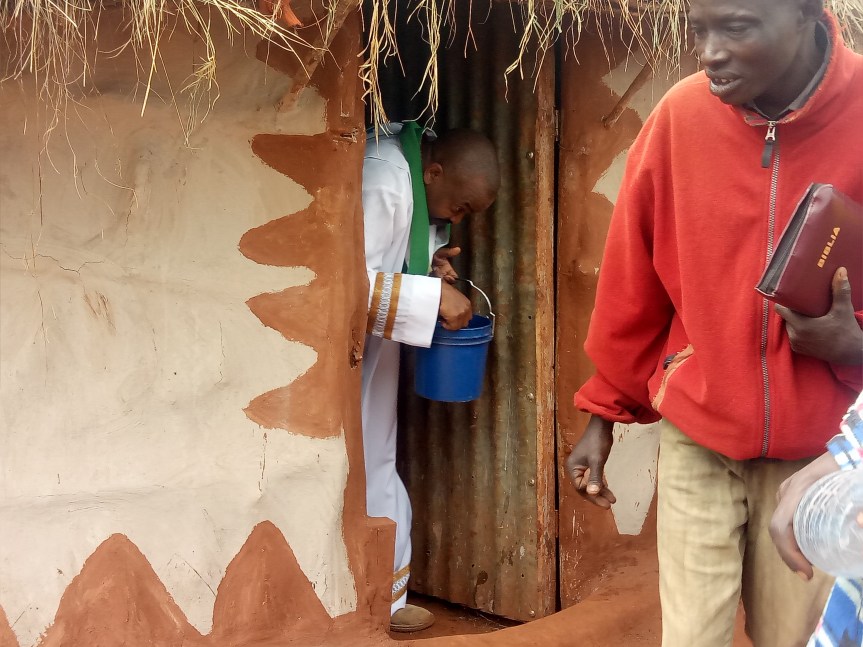
House Blessing 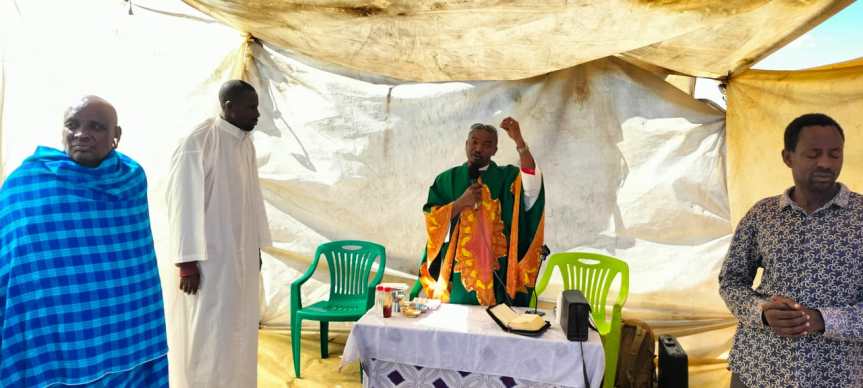
Mass Under Tree
In Maasai culture, the man, particularly the father of the boma (household) is the center of life. A man is given his first wife by his parents (of their choice) so that he can start his own household. The purpose of women in marriage is to work for their husbands (doing all domestic chores), give birth to boys who will graze the cattle to make him wealthy, and girls who will be given out in marriage in exchange for cattle to make him even wealthier. If the father of the boma is still alive, his sons cannot claim ownership of any property, even the one they bring home. It is considered a sign of disrespect to their father. It is not abnormal to see men in their 30s and 40s who do not have property of their own, though they marry in their early 20s. Their livelihood, which is largely livestock, is also dependent on rainfall. During droughts and extended dry seasons, they experience a lot of challenges. Without enough grass for the livestock and enough food on the table, other social problems creep in, bringing a lot of suffering and domestic conflict.
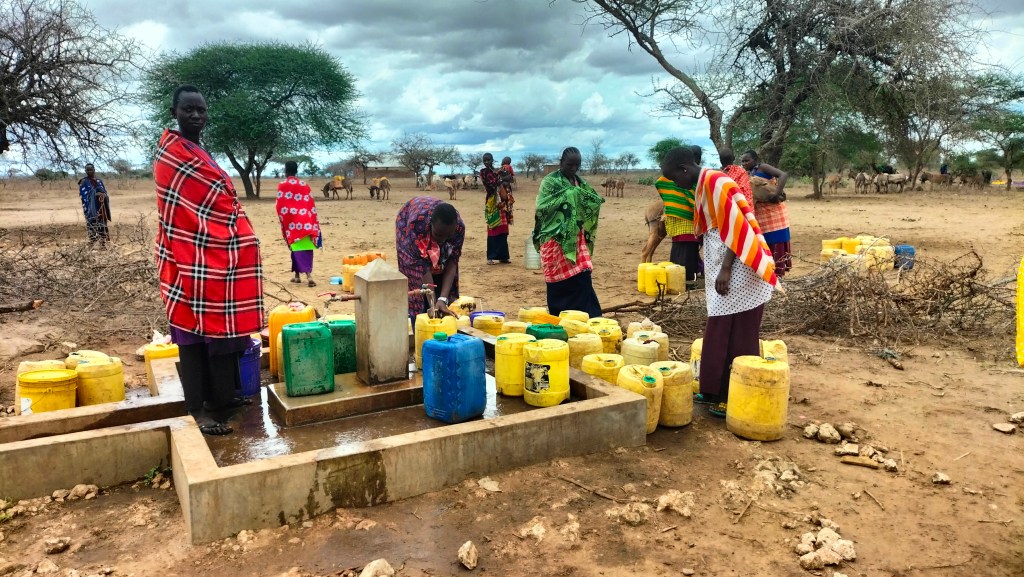
From my extensive study, I concluded that in order to transform the lives of the Maasai community in Simanjiro, youth and women’s empowerment are very critical. With my technical background, which I partly inherited from my father and partly acquired through self-training, my proposal was to establish a center where the youth would learn technical skills to employ themselves. In the parish, I have a workshop where I do various technical work such as welding, carpentry, and mechanics. This has helped a lot to cut the cost of running the parish because I do many repairs and maintenance work myself. My two colleagues also use their skills to do various maintenance work in the compound. There are times when we have to go with materials to construct an altar before celebrating Mass in the mud Church.
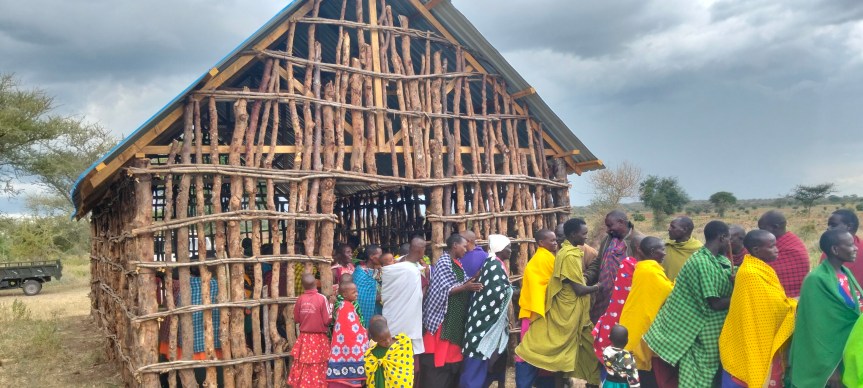
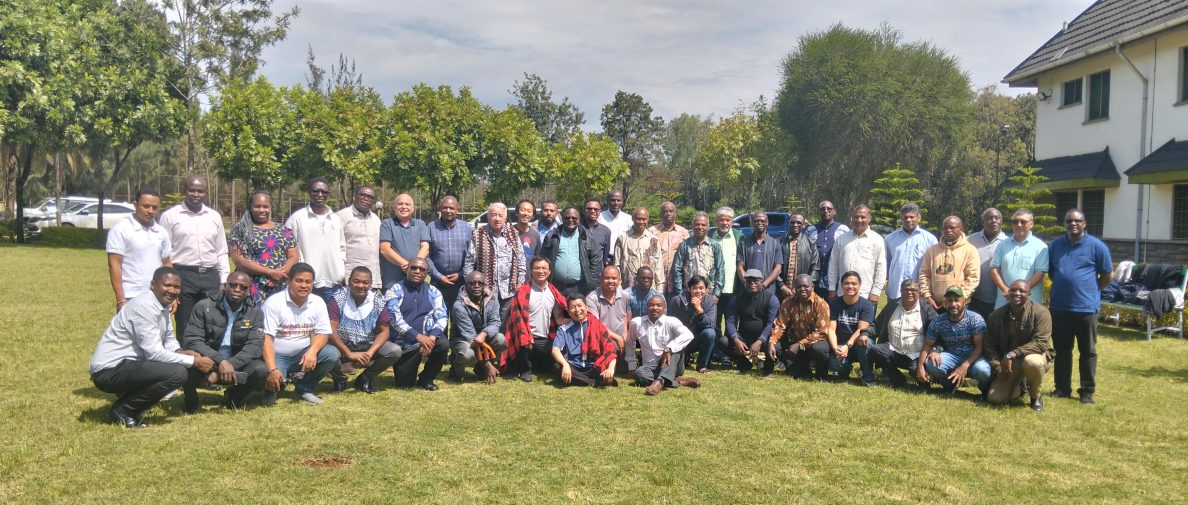
With this idea very vivid in my mind, I started looking for collaborators to make the dream come true. It was not until February this year, 2025, that God answered my prayers in a very amazing way. I got a call from a person whom I knew vaguely before because he had been collaborating with the Notre Dame School at one of the outstations, 50 km away from the Parish center. Mr. Ernst Spranger, from the Dialog Hilft Kindern in der Einen Welt e.V. (Dialog Supports Children in the One World), Diocese of Munster, Germany, visited me in the parish one afternoon. As we chatted over a cup of coffee and some cookies, Mr. Ernst opened a folder he was carrying and removed some sheets of paper. He showed me a printout of the article I published on July 3, 2024, on the SVD Jambokentan website. He told me that during the previous Christmas back in Germany, he and his colleagues from the Dialog Projekt were looking for ideas about youth empowerment projects in the Simanjiro area, when he bumped into this article. The article’s title was “Mission Mobility.” He explained that, after 15 years of collaboration with the Notre Dame Sisters to establish and develop Osotwa Primary School, he felt there was a tremendous need to equip the youth who did not continue with secondary or university studies with self-reliance skills. In the article, he saw a picture where I was doing some carpentry and welding work, and thought that we could collaborate to establish a vocational training center for the youth. I told him that this had been my dream for many years.

Dialog Projekt Members 
Ernst Spranger 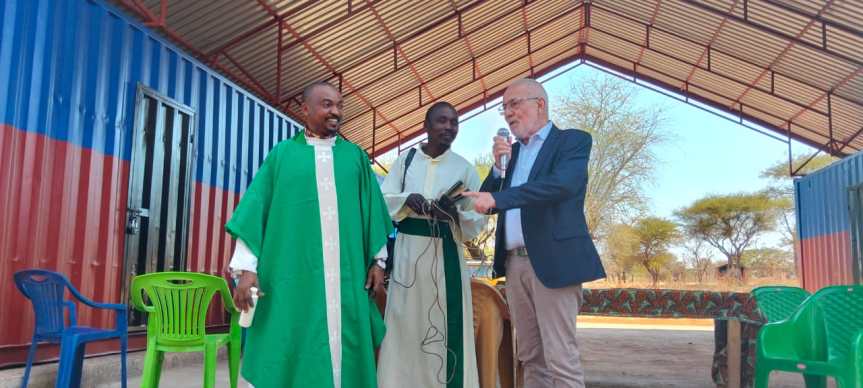
Inauguration 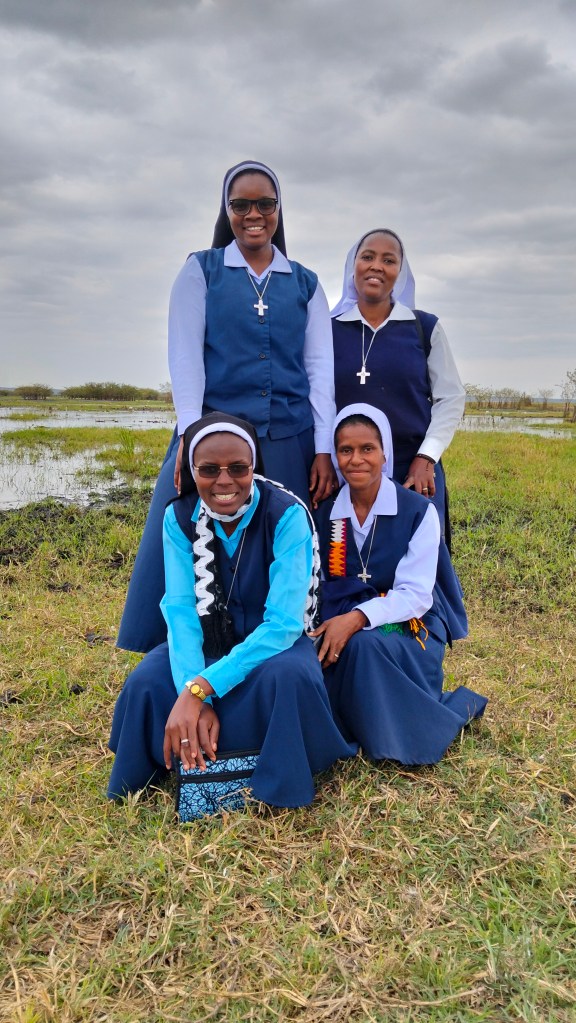
Notre Dame Sisters 
Fr. Lawrence Muthee, SVD
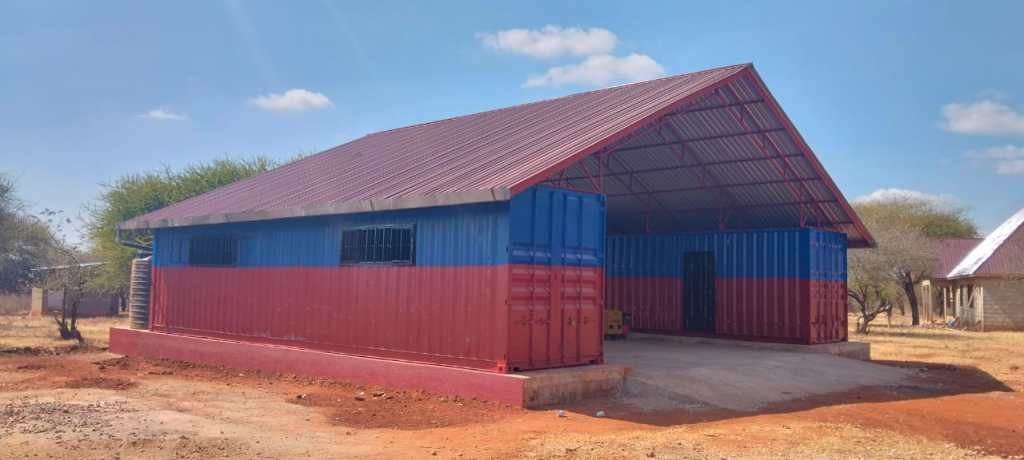
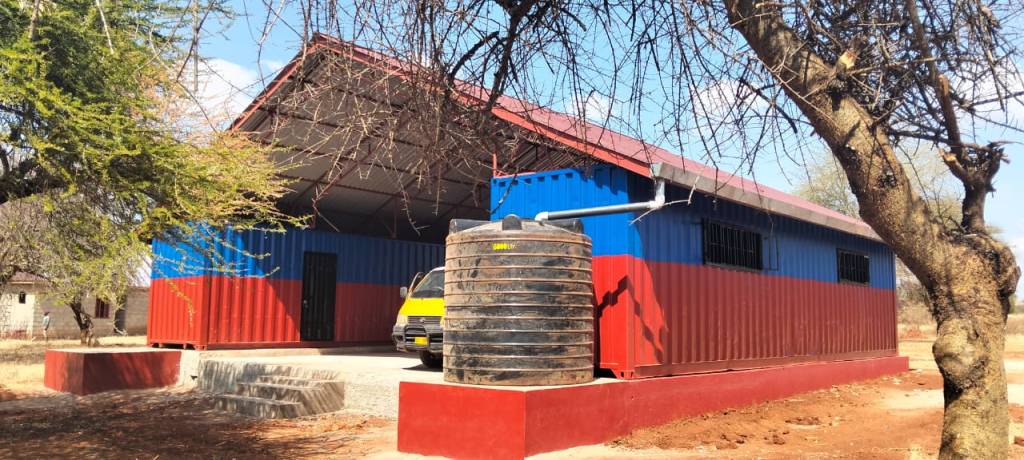
Within one hour, two people with the same idea, “and the presence of the Holy Spirit,” as Mr. Ernst puts it, St. Joseph YVTC Loiborsiret was born. I suggested that we establish a center where the youth can learn practical skills in motor vehicle mechanics, welding, and carpentry, with a plan to expand later to other skills. The center would be open for both boys and girls. I suggested that, in order to expedite the dream, we could start with container structures and later establish permanent buildings. In my mind, I had already figured out that these skills only need shelter, a few equipment, and a storeroom. Mr. Ernst went back to Germany with the idea, which he shared with the Dialog Club members. The club members met on April 1, 2025, and decided to support the Vocation Training Center. I made the initial sketches by hand, and Mr. Ernst’s son made computerized drawings. Immediately, we sourced 40-foot-long containers from Dar es Salaam and made a platform for them.

New Workshop 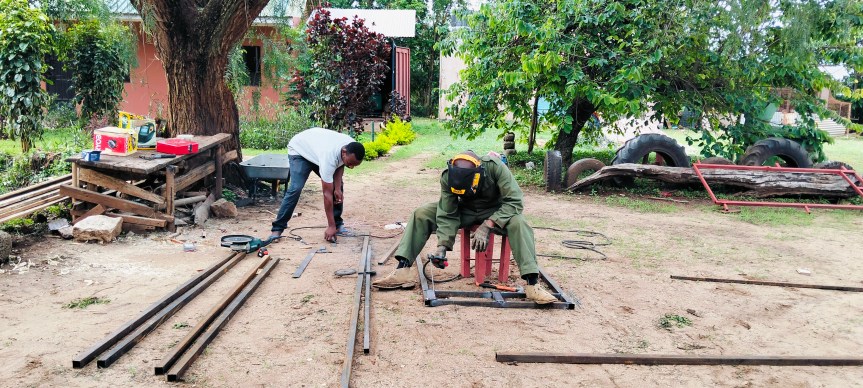
Welding 
Welding in the Bush 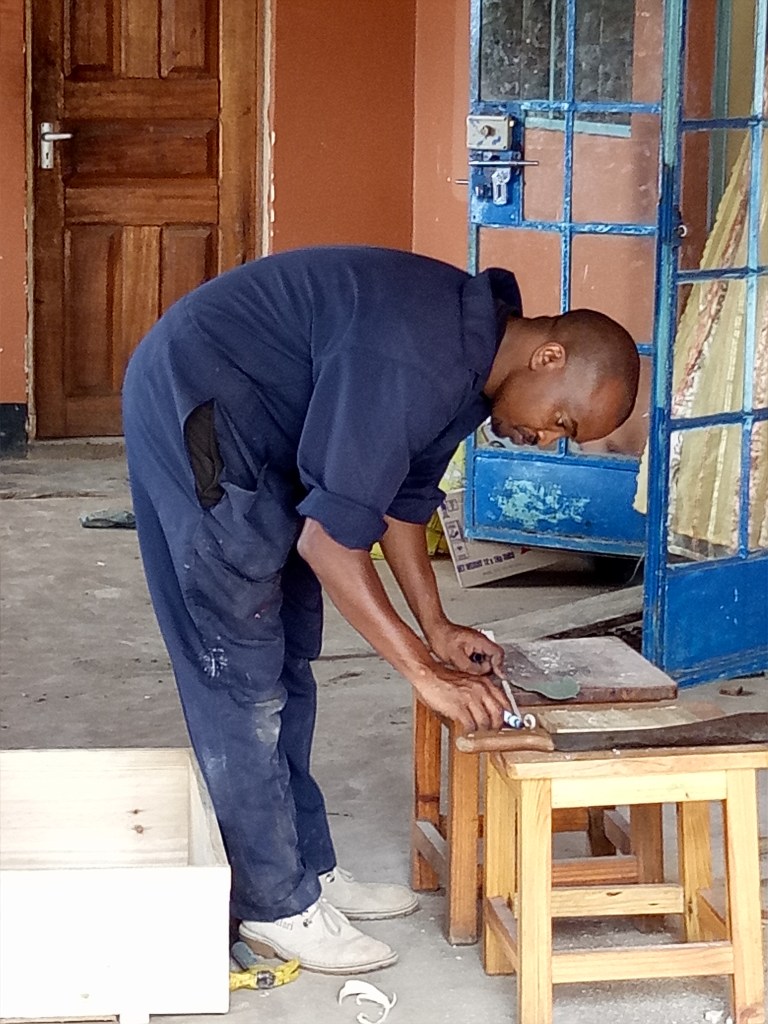
Carpentry 
Things went very fast, and already at the end of June, we set the date for the inauguration at the end of July. On Saturday, 19, 2025, Mr. Ernst, his wife, and Mr. Michael visited me to plan for the purchase of basic equipment for the inauguration. Other members of the Dialog Projekt Club came to attend the inauguration. On Wednesday, 23 July 2025, the team went to Arusha to buy the equipment. On Thursday, 24 July 2025, Mr. Ernst, Mr. Peter, Mr. Mike, and I visited Archbishop Isaac Amani in his office in Arusha to present the project to him. The Archbishop was very happy and appreciated the initiative. He said that this project would improve the livelihood of the community and the Church as well. Some years back, the vast Simanjiro-Kiteto district was proposed to split from the Arusha Archdiocese and become a vicariate. However, the idea was shelved because of lack of basic infrastructure in the area. On the same day, the Dialog Projext team and I visited Mawella Vocation Training Center in Moshi for benchmarking. The center board chairman, the school manager, and some staff members took us around to different departments. We left Mawella with many things clarified. On Friday and Saturday, the team traveled to Loiborsiret with equipment.
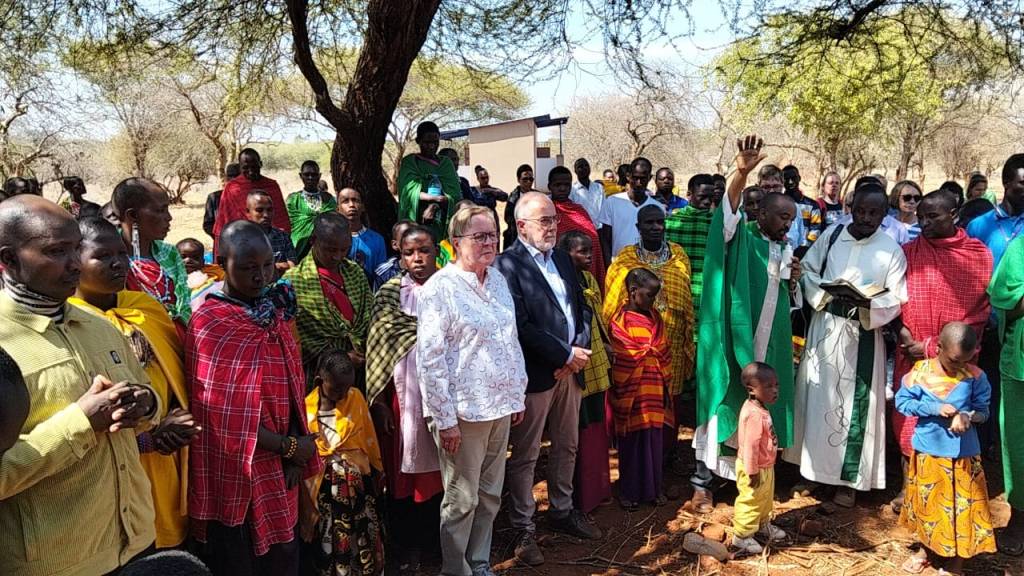
Finally, on Sunday, 27 July 2025, we blessed and inaugurated the new Vocation Training Centre in a very colorful ceremony that started with Sunday Mass. We explained to the community the essence and intention of the project. The main goal was to eradicate poverty in the community by creating self-employment opportunities among the youth. After the blessing and inauguration, we had a meeting with the proposed board members, the Parish Pastoral Council members, the Loiborsiret station’s Pastoral Council members, and the Local Government representatives to discuss technical matters and other requirements for the training to start immediately. The leaders expressed their gratitude for the project and promised to advertise and promote it in the villages. During this day, we registered 11 students. The parents would be required to pay only one goat for a three-month term. The training program will run from three months for the basics to two years.
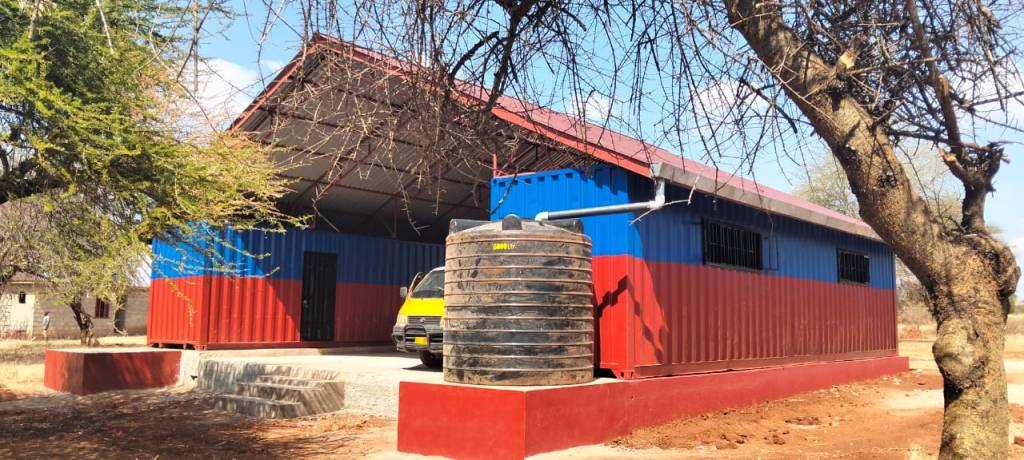
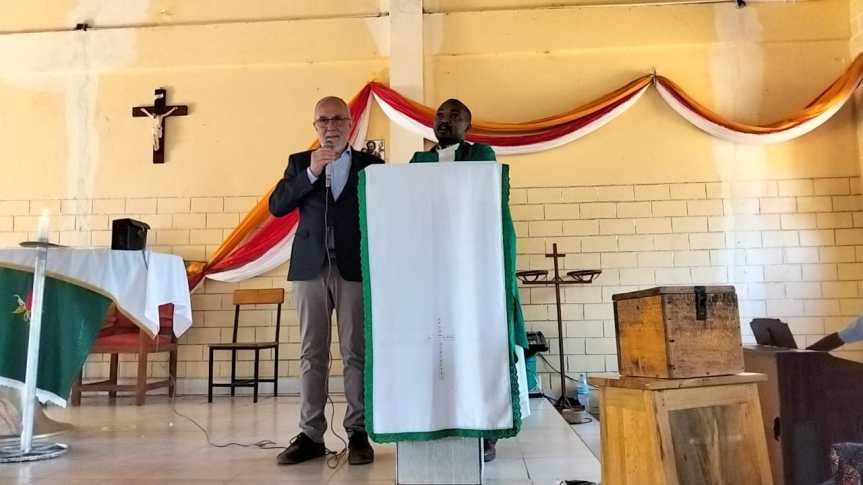
Loiborsiret 
Mawella 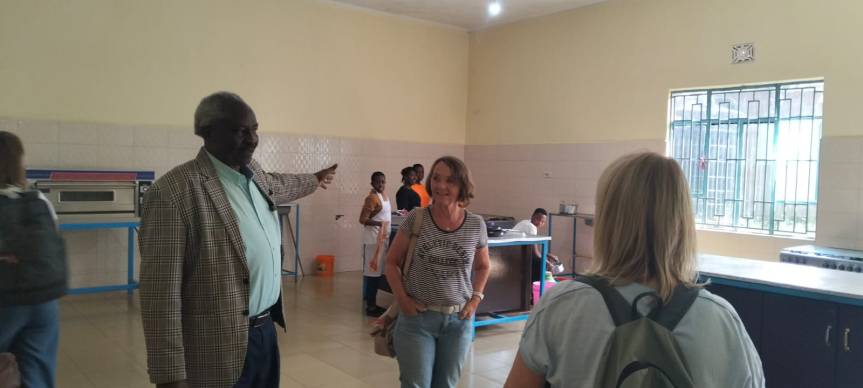
Mawella 
This project is a clear demonstration that sharing best practices is one of the most important tools for evangelization, sensitizing others about mission needs, and winning the hearts of mission collaborators. We thank God for this milestone and ask Him to bless our plans.
If you would like to collaborate with us, contact us through:
stjosephyvtcloiborsiret@gmail.com
 SVD JAMBO KENTAN
Great work br. Keep the spirit.
LikeLike
Thank you for your enthusiasm and to share witht us the project. We need people like you to improve our world empowering the community through learning.
LikeLike