
Sunday Readings in Brief 24 A
Sir 27:30-28:7; Ps 103, Rom 14:7-9; Mt 18:21-35
Why we must forgive
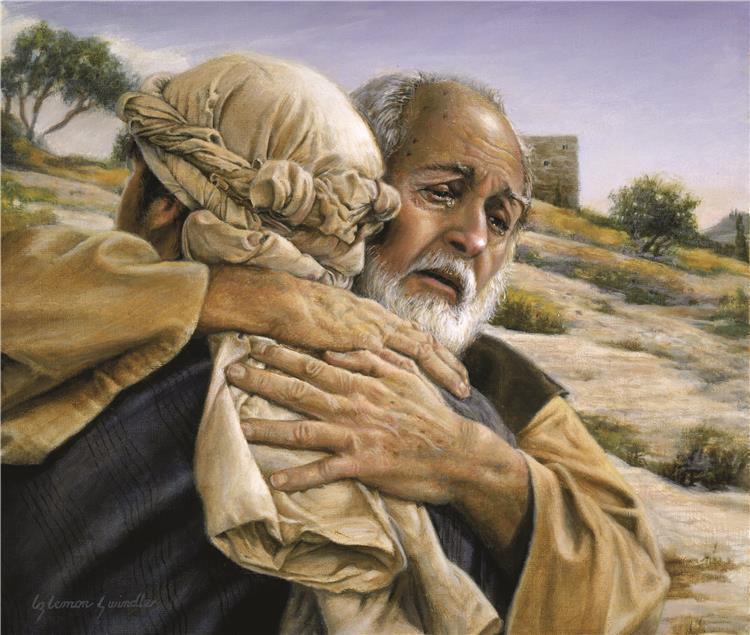
My dear friends, today is the 24th Sunday in Ordinary time. Today’s readings remind us of one of the core Christian responsibilities and practices – to forgive. The kingdom of God is built upon LOVE that FORGIVES. God Himself showed us this by sending us His son so that he may forgive us our sins and teach us how to forgive. We cannot purport to be Christians and yet we do not forgive. All of us would like to be forgiven all the times that we make mistakes or hurt others but when it is our turn to forgive, we begin stammering in our willingness to forgive.
In the first reading, today the very first sentence hits us with the reality that many times we ignore yet we suffer its consequences. Whoever sets in motion a wicked plan will find that it rolls back over to him or her. In addition, a refrain says, “What goes around comes around”. The world today has many broken parts: broken families, broken relationships, broken contracts and MOUs, broken systems, broken diplomatic relations, and the list can go on. This is because of a lack of true forgiveness. When we are strong, we tend to think that we will never be weak. When we are in power, we treat others as if that power is eternal.
Nevertheless, countless times we have had to eat our humble pie. Sometimes we think that the world is cruel and unfair to us. We blame everyone else but ourselves for our own bitterness. We forget that we reap what we sow. For example, we live bitter lives because we carry others in our hearts. We suffer from stress, depression, stomach wounds, and high blood pressure because we carry heavy loads of hatred, resentment, anger, and contempt toward others. As we become sick of all these, the people we loathe for whatever reasons whether justified or not, go on with their lives.
Forgiveness is not optional. It is both a natural and divine commandment. If we do not forgive, we will suffer both natural and divine consequences. Natural consequences are what I have mentioned above and divine ones are our alienation from divine love and graces. Just as we need food for our bodies to be strong, we need even more of God’s graces to keep our souls and spirits energetic. People suffering from malnutrition in the spirit have bitter lives and they never see anything good in others or themselves.
However, as the refrain in Swahili reminds us “Mkuki kwa nguruwe mtamu lakini kwa mwanadamu mchungu” literally translates to “when the arrow is directed to the swine is sweet but to human is bitter”. In the Gospel passage today, Jesus gives us an example of such an attitude that is not new in our communities. The man who owed his master a huge debt and was unable to pay was supposed to be sold with his family in order to pay his debt. However, because he begged for patience, his master not only accorded him patience but also in mercy forgave his huge debt. Naturally, the man must have been very happy and lighter because he had received his freedom back.
All of us would expect him to behave like his master when faced with his fellow servant who owed him much less money. However, this wicked servant, as he is referred to in this passage; forgets very fast how it feels to be at the point of losing everything because of debt. He treats his colleague mercilessly. However, in a very rare scenario in our world today, his other colleagues find his actions very despicable and take it upon themselves to report to their master in total condemnation of this behavior.
This is what I refer to as community consciousness. All animals instinctively fight for their preservation. Even those who take their own lives are not in their right mind because it is not natural for any living being to want to cease existing. Even the smallest of the insects fight for their dearest lives when attacked. We all know and hate being mistreated or hurt, but we go on and hurt others anyway. What we forget is that nature has a way of balancing things. We receive the same measure that we weigh to others whether immediately or at a later date.
The action taken by the other servants is very commendable and what is supposed to take place on all occasions in our society. If we all condemn injustices and crimes in our communities, we will reap the benefits. However, if we continue to fold our hands together and think that the problem is not ours, we will be surprised when it knocks on our door.
I would like to invite us today to evaluate how we react toward the problems of others and ask our Lord to help us imitate his attitude toward our neighbour. Have a forgiving Sunday.
Fr. Lawrence Muthee, SVD.
 SVD JAMBO KENTAN