
Sunday readings in brief 21 A
Isa 22:19-23; Ps 138; Rom 11:33-36; Mat 16:13-20
“Who do you say that I am?”
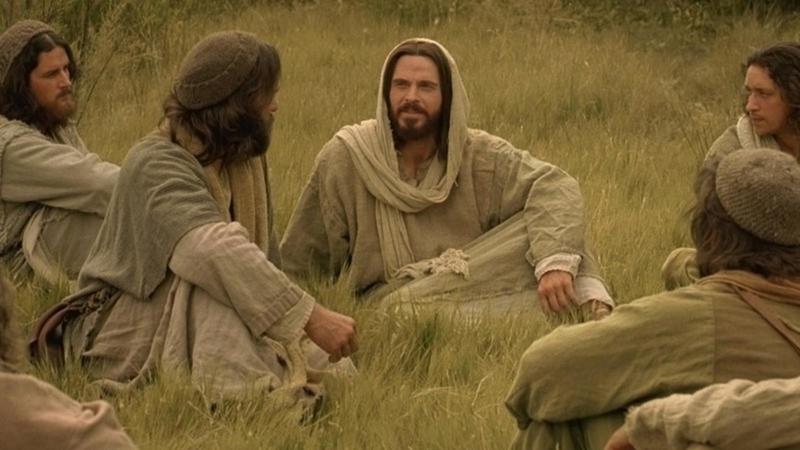
In today’s Gospel, Jesus questions his disciples about the opinion of the people towards him. It was after Jesus elaborate ministry in the first half of the Gospel of Mathew: –
i) Sermon on the Mount (discourse). Chapters 5-7,
ii) Ministry. Chapters 8-9,
iii) Mission Discourse. Chapter 10,
iv) Ministry and conflict. Chapters 11-12,
v) Parables of the Kingdom (discourse). Chapter 13,
vi) Ministry and Peter’s Confession. Chapters14-17.
The disciples told him what the people were saying about him. Because of his words and actions, the people had concluded that Jesus was one of the great prophets of the past who had come back to life or just one of the prophets but a prophet anyway. They had not yet discovered who Jesus really was. They had not got a chance to know him closely. The Pharisees and the elders of the people had rejected him because he did things differently than they anticipated or wanted the Messiah to do.
We realize that after the disciples answered him, Jesus immediately asked about their opinion of Him. Jesus expected that having been very close to him for a while should have discovered who he really was. Peter is the one who responds and confesses that Jesus was the Son of God, the Messiah. We are not told if other disciples have different opinions.
Jesus is asking each one of us today who I/you say that he is. Many who have heard about Jesus may be having different opinions about him but that is not important. What is important is who I personally say that Jesus is. Have I discovered who Jesus really is for myself?
Today in the Christian community, we have varying interpretations of Jesus and His ministry. Different denominations and individual self-proclaimed prophets emphasize one aspect or the other of Jesus’ person according to their understanding and interest. Sometimes even the same person may have different views about Jesus depending on the occasion and convenience. We are witnessing fierce competition and sometimes conflicts among Christian individuals and communities about who represents Jesus better than the other. Many faith seekers are left confused about which Jesus is which.
Jesus is quick to tell Peter that his confession that “Jesus was the Son of the living God”, was not coming from his own knowledge and understanding but a divine revelation from the Father. “… no one knows the Son except the Father…” (Mt. 11:27), In other words, Jesus tells us that to really know him and confess him, as the Christ is not something we can achieve through our own faculties – fresh and blood, but it is a gift from God.
Our Christian faith is built upon the revelation that God has given us through Jesus Christ. It is not a personal achievement. Faith is not a competition of opinions or a fruit of scientific studies. “Blessed are you Simon son of Jonah…” Blessed are we to whom the Gospel of Christ has been preached. Jesus then gives Peter the Keys of heaven, a special ministry to forgive sins. For the Catholics, this is the ministry of reconciliation through the Sacrament of Confession given to the priests by virtue of his ordination into the ministry of Christ. If we confess that Jesus is the Christ-like Peter, then we are too given a special ministry in our life to forgive all those who trespass against us and bring reconciliation to those in conflict. The ministry of Christ is perpetuated through his true disciples.
We must carry out this ministry faithfully; otherwise, it will be taken from us just like Shebna in the first reading, who was a steward in the palace of King Hezekiah. He did not carry out his duties as expected, but he was making himself great and equal to the kings even to the point of digging an expensive grave for himself, something that was only reserved for the kings and prominent people. He was to be removed from his position and another person to replace him. The same will happen to us whenever we fail to perform the duties required of us by our faith.
Each one of us has been given a ministry to perform for the betterment of the world. Some are given leadership positions others certain jobs and others specific trades. We are to use these, not to enrich ourselves or become better than others, but to make the world a better place for all.
By giving Peter the Keys to heaven, Jesus was transferring the position of the Sanhedrin who were the masters of Judaism to his disciples, the Church. The Pharisees and the Scribes had failed terribly to unite the house of God but looked for their own gains. Jesus builds a new faith community – the Church built upon the rock, his disciples. We are today the descendants of the apostles in faith. We too have been given the responsibility to unite all people in the world in Christ Jesus.
St. Paul tells us that God works in incomprehensible ways and we cannot fathom the depth of his knowledge. It will be wise for us to learn his ways and live according to his will.
Dear friends, our confession about Christ must be substantiated by our deeds. If we say we know who Jesus and his followers are indeed, then it is the character of him that people must encounter in us and not our personalities. The question to reflect upon today is, how well do I know Jesus?
Have a blessed Sunday.
Fr. Lawrence Muthee, SVD
 SVD JAMBO KENTAN