
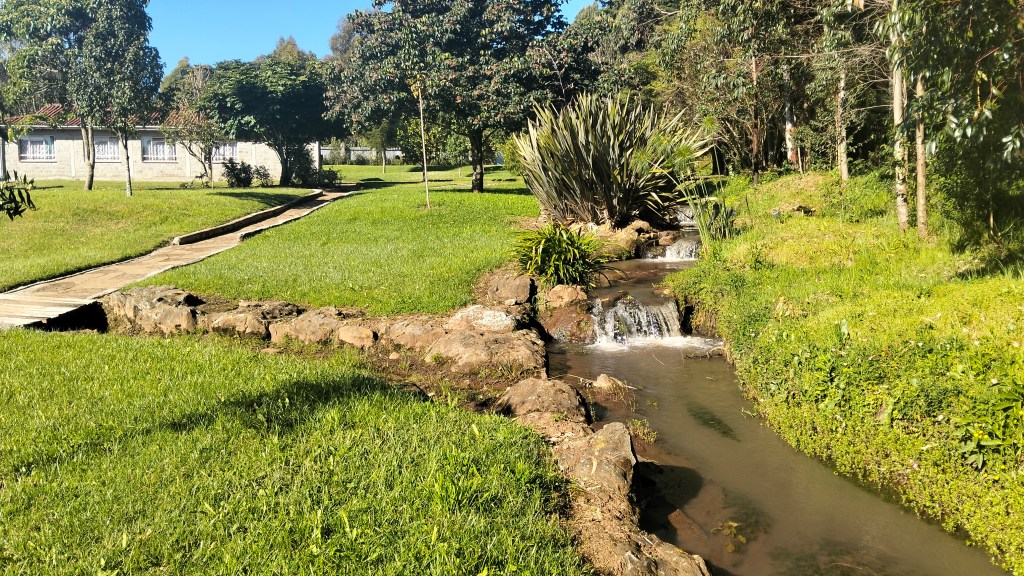
In some parts of the world, access to potable water is taken for granted. I grew up in a region where rivers flowed every few kilometers and streams ran through almost every village. As children, we swam freely and fished without a second thought. For a long time, I assumed this was the reality everywhere.
That assumption was shattered when I moved to a major city to pursue my vocation. One of the first shocks I experienced was the struggle to access water. Instead of rivers and streams, water had to be pumped from deep boreholes, either by hand or with a generator. For the first time in my life, I encountered dry taps. It was a humbling awakening to a reality I had never known.
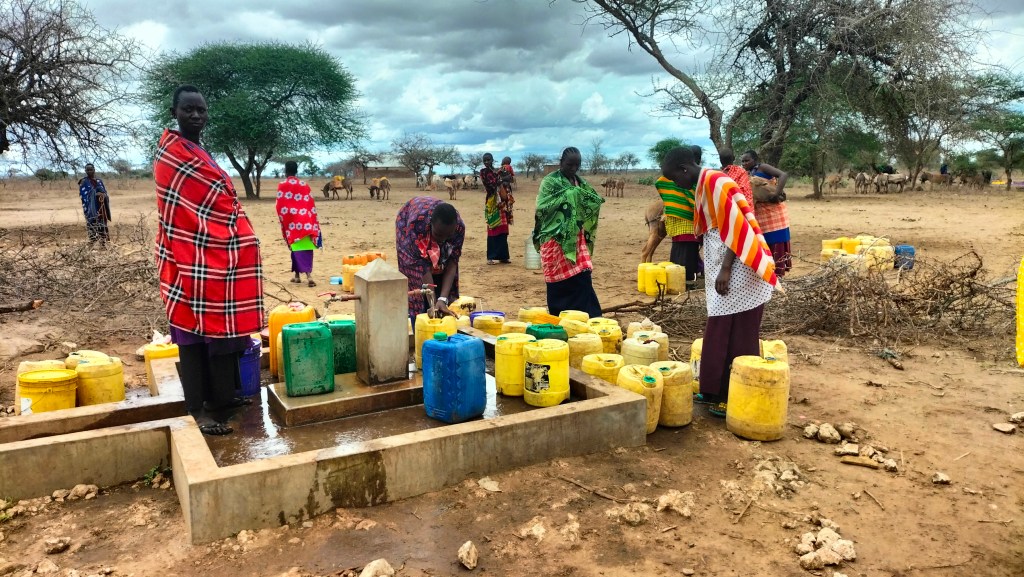
A few years later, during a short pastoral experience in Simanjiro, my understanding deepened further. In that environment, the search for water was the primary daily activity, particularly for women. Water was not simply a resource; it was a constant concern that shaped the rhythm of life. As I later visited other arid regions, I began to appreciate how profoundly water determines people’s outlook, survival strategies, and even social organization. Traditional migration patterns and local economies were clearly structured around the availability of water sources.
In the early 1950s, the Holy Ghost Missionaries, who were the first to evangelize the wider Simanjiro area, sank a borehole in Emboreet village. Remarkably, that borehole is still in use today. At the time, the population was much smaller. In 2005, the Divine Word Missionaries, who had taken over the mission from the diocesan clergy in 2002, drilled a second borehole with the support of the Athenry Parish Community in Ireland. This borehole has continued to serve the people faithfully up to the present day.
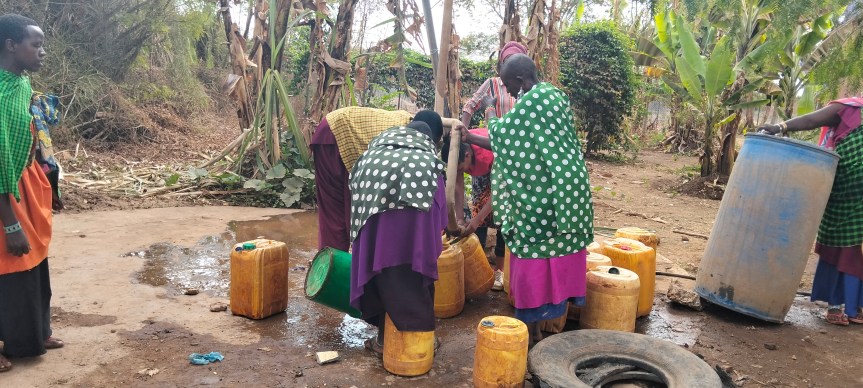
Today, however, the parish comprises 24 outstations, many of them located in remote villages with no access to water. One such village is Noomoton. The nearest water source is a valley approximately ten kilometers away, where women and children dig into the sand to collect water. In 2021, with the assistance of Grupo Cassago from Milan, we constructed the first nursery school in the area. This intervention was necessary because the nearest school was 14 kilometers away. Many children were unable to attend at all, while those who did had to wait until they were old enough to walk long distances through the bush.
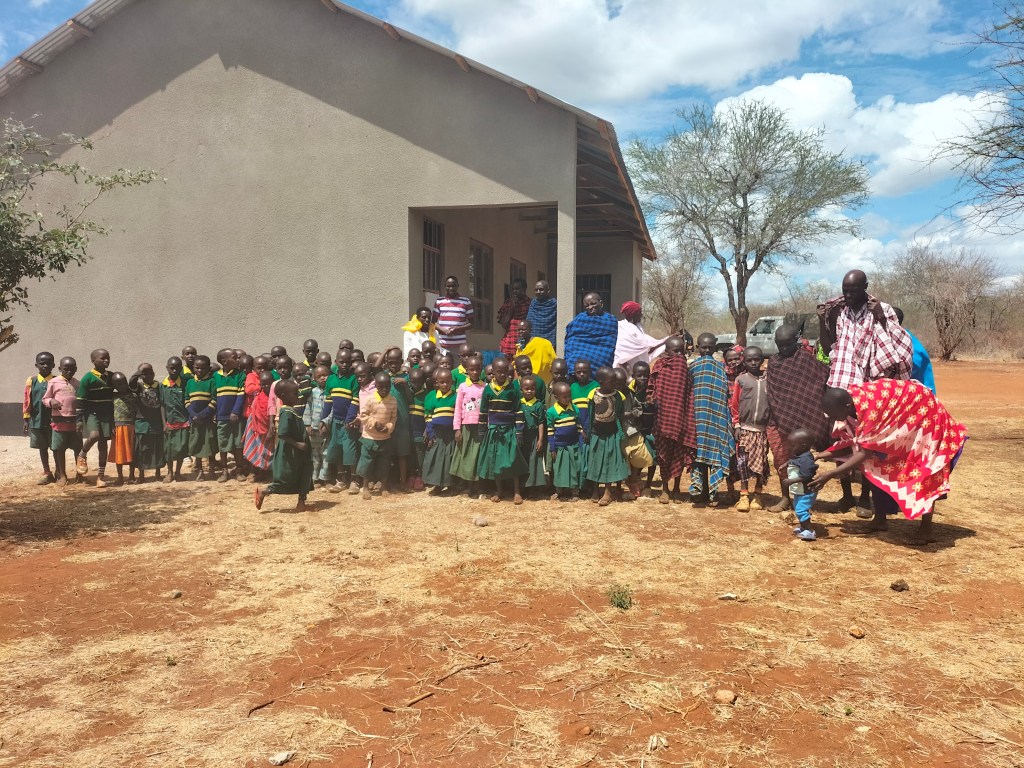
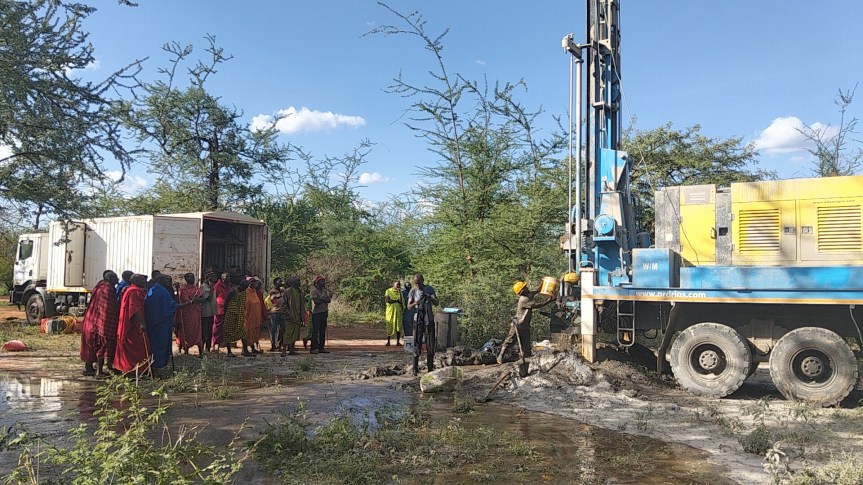
In an effort to further ease the burden on the community, the villagers requested a borehole during a visit by Melina and JeanPaulo from Grupo Cassago in February 2025. Their plea was both urgent and heartfelt. On 21 January 2026, the first phase of the project—the sinking of the borehole—finally began.
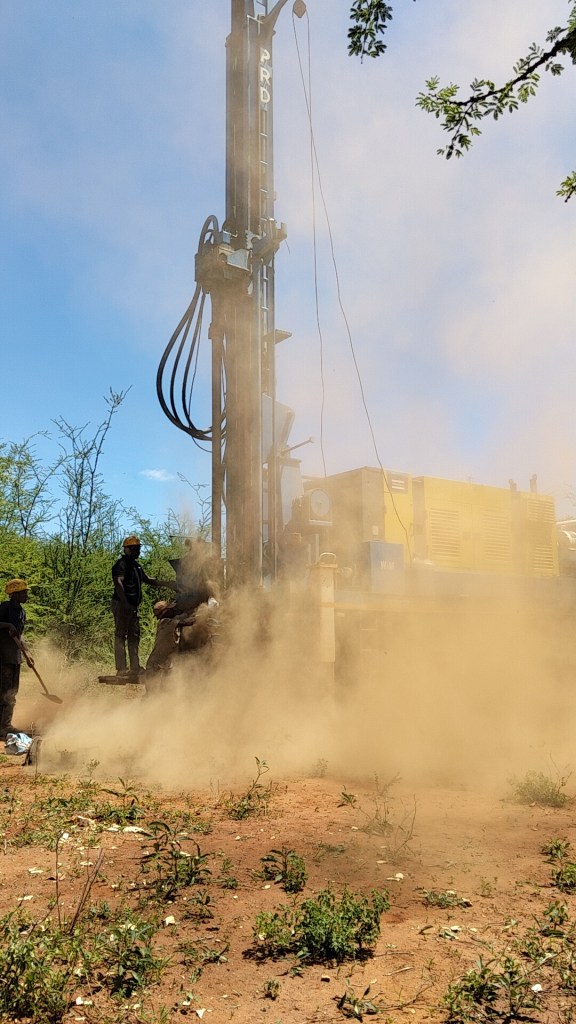
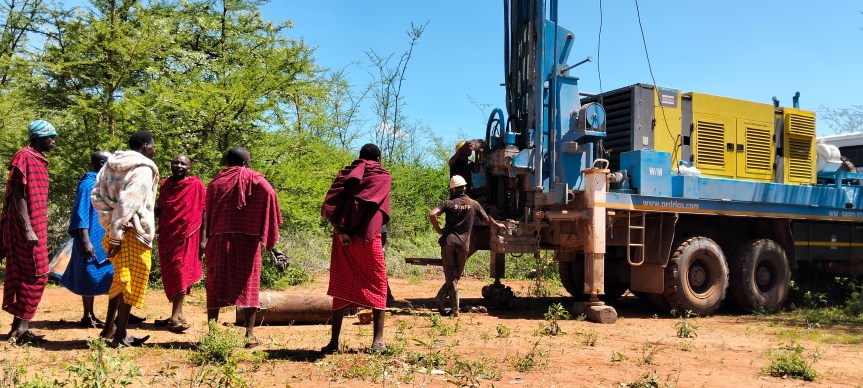

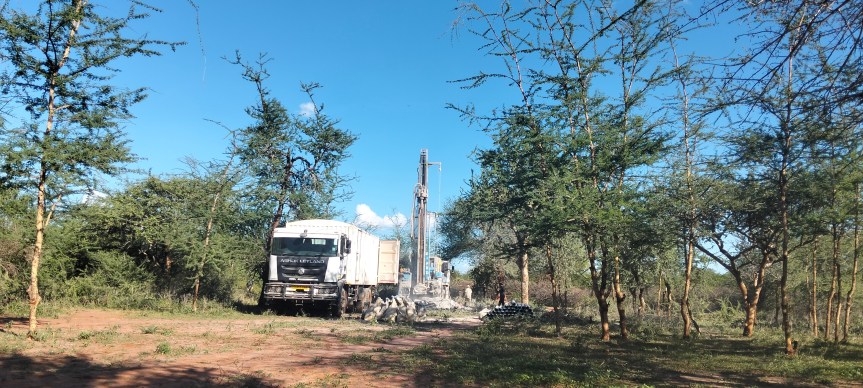
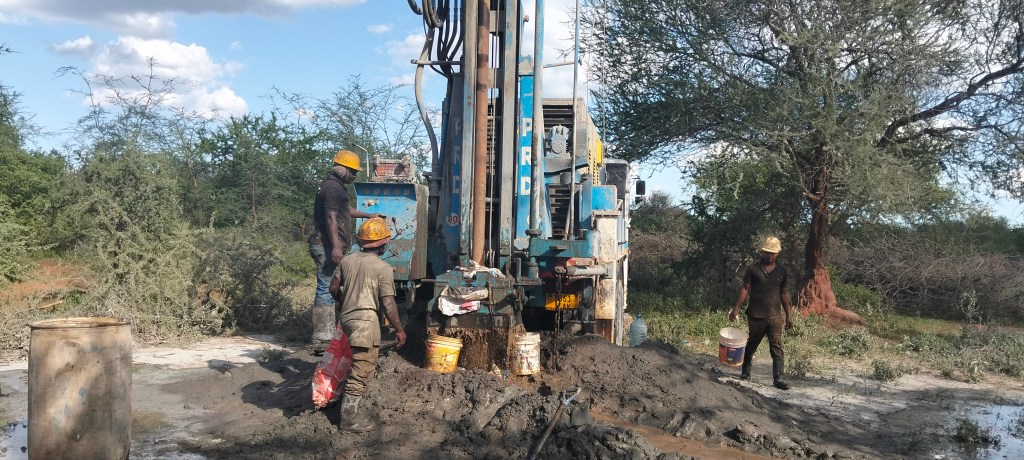
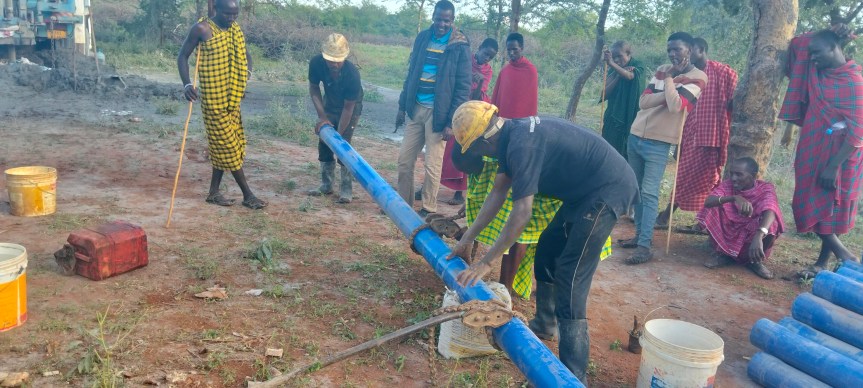
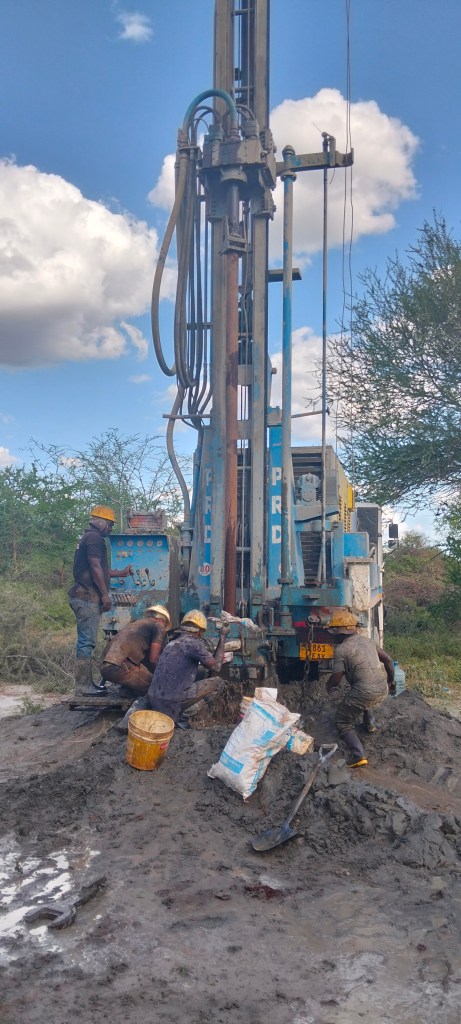
Following a geological survey, we agreed with the drilling company to drill to a depth of 150 meters. On the first day, we reached that depth but encountered only a very small water yield. By 6:00 p.m., work had to stop. I returned home deeply anxious, fully aware that drilling deeper would require additional funds. Sleep did not come easily that night.
On the second day, we resolved to continue to 180 meters. At 165 and 170 meters, we found three small water veins, but still not enough to sustain the community. As each drill shaft—five meters at a time—was lowered, tension mounted. When we reached 180 meters with no significant breakthrough, we paused once more for consultation. Finally, we made the difficult decision to push on to 200 meters.
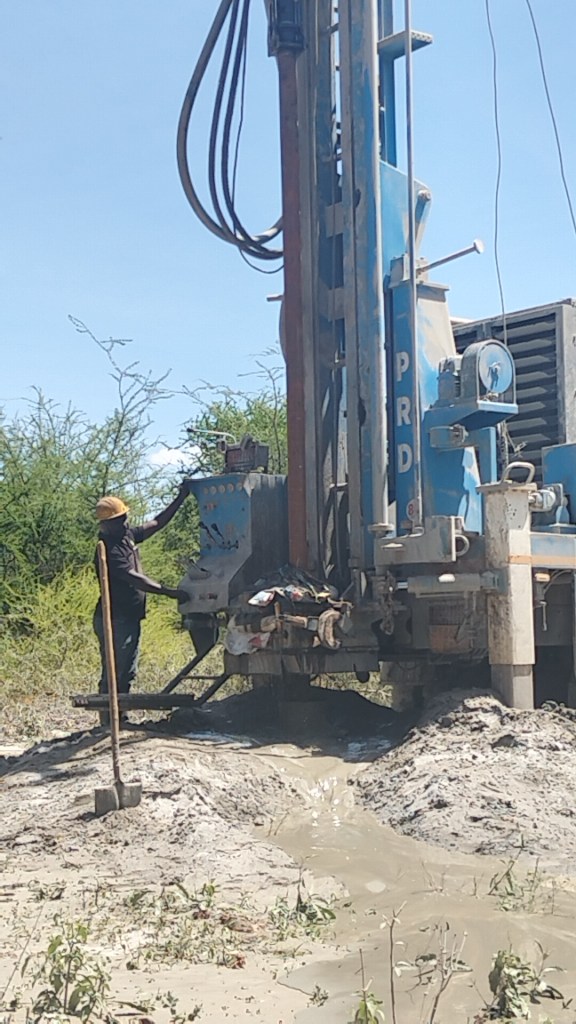
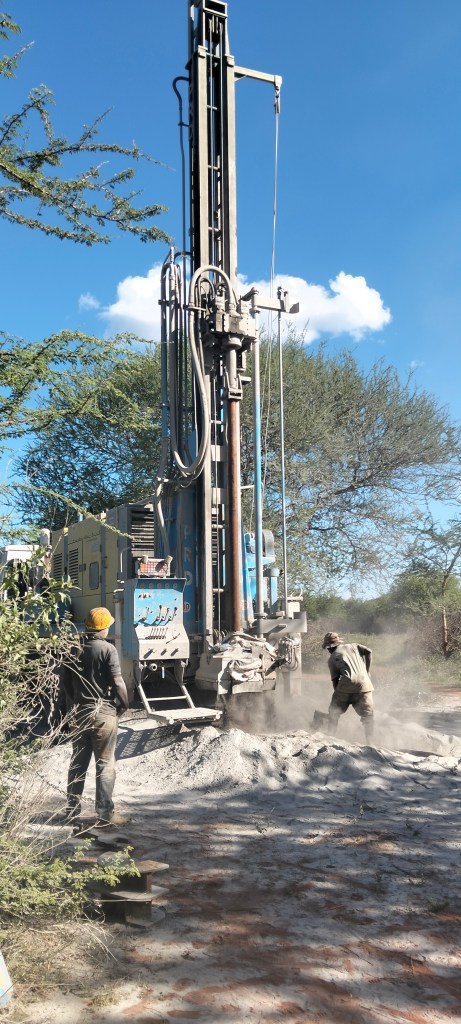
Then, almost unexpectedly, as the drill passed the 181-meter mark at around 5:00 p.m., we struck a substantial water table. The moment was filled with immense relief and quiet jubilation. To ensure a sufficient water column, we continued drilling to 190 meters. That evening, I returned home with a light heart, overwhelmed with gratitude and thanksgiving to God for this precious gift.
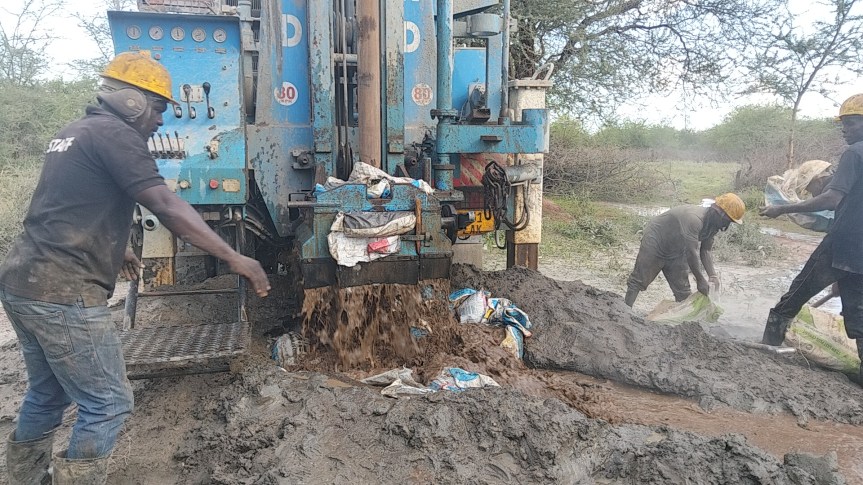
The next challenge before us is securing the funds for the second phase of the project: installing a solar-powered pumping system and constructing a water tower with a reservoir tank. This phase is crucial to ensure that the water can be accessed reliably and sustainably by the community. We remain hopeful and prayerful that the necessary support will come through soon, so that this life-giving resource can begin serving the people without delay.
 SVD JAMBO KENTAN