

Ezekiel 17:22-24; Psalms 92; 2 Corinthians 5:6-10; Mark 4:26-34
The Mystery of the Kingdom
Dear friends, today is the 11th Sunday in Ordinary Time year B. The Ordinary Time is a period to learn from our Lord Jesus about the values of the Kingdom of God. For about three years, Jesus preached the kingdom of God on earth using different parables so that the people may understand well. Today he presents us with two parables that speak about the mysterious way in which the kingdom of God grows.
Many of us have either sowed seeds or seen them being sown. Afterwards, their growth up to the harvest time is a great mystery. Even the most sophisticated cameras are unable to record the growth of a plant. It would seem unimaginable for one to focus a camera lens to record the growth of the plants. It might seem like too slow process but when we sleep and wake up, we see the sprouted seedlings, and before we even know it is already harvesting time. The growth of plants is something so common to us that we do not come to appreciate fully the wonder that lies in it. Science explains to us the biology behind germination and modern computers can even simulate how it happens. However, what happens remains a hidden mystery. It is always a joy to see the growing plants increasing in height daily, flowering, and then the fruits.
Jesus uses this parable to explain how the kingdom of God grows among us. The work of evangelization is compared to sowing seeds. The way the Church grew from a couple of few frightened disciples to what it is now is a mystery to contemplate. Our call is to preach the Word of God and go our way. How it takes root and germinates in the hearts of individuals and communities we do not know. The Spirit of God works in his mysterious way and in his own time to make the Church blossom. Sometimes the missionary may not stay in the mission long enough to see the fruits of his or her preaching, but years after there is always joy to see what became of his efforts.
By this parable, Jesus encourages us not to give up hope when the mission seems too slow and difficult. We are called to sow the seeds of the Gospel in the hearts of those who have not yet accepted Christ and his teachings and leave the rest to the Holy Spirit. St. Paul tells us that it is not by our physical eyes that we see the growth of the kingdom of God but rather by faith. Faith in this sense becomes our hope for things to come. We are not supposed to seek instant fruits because this is not how the spirit of God works. Many are being misled to think there are ways to accelerate the working of the Spirit of God. The self-proclaimed prosperity prophets, who promise instant prosperity in the name of Jesus, have managed to rob both the rich and the poor of their money. The spirit of God cannot be hurried or shouted into action the way many modern-day prophets are making the innocent believe.
The Second Parable is about the mustard seed, which is so small that one may not believe it can grow into a shrub big enough for birds to build their nests on its branches. No matter how small the seed is, hidden in it is a potential plant. Given proper conditions, it always germinates to replicate the tree from which it came from. Jesus is telling us not to give up when things seem too small to grow. The beginning is always difficult and vulnerable. The efforts to preach the truth may seem too weak to compete with the popular falsehood in our society. However, persistence always bears amazing fruits.
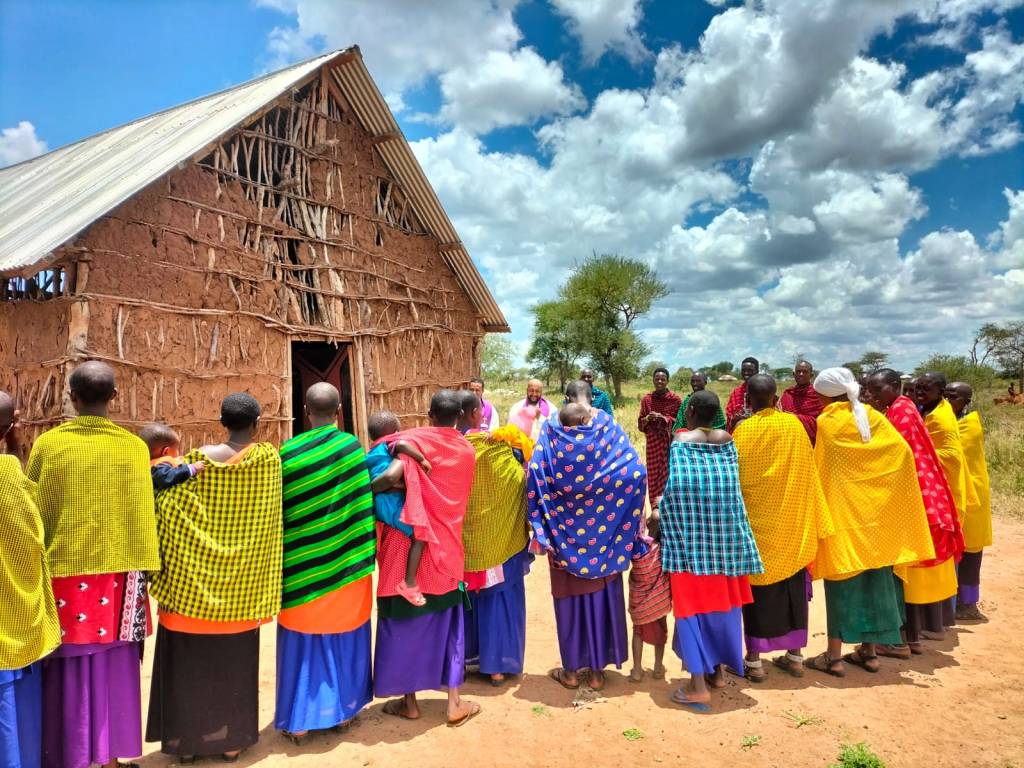
In our mission, there are many beginning moments, which together bring enormous growth. Sometimes we get discouraged when we see how small and vulnerable the situation is. In my mission, we are still opening new communities and sometimes they seem not to take off. However, I have witnessed that in every one of them, there is always someone who keeps the faith burning even when everyone else loses hope. In the beginning, it was very difficult to see the hidden growth of the communities. Many of them started celebrating the Eucharist under the tree sitting on dry logs and only myself and the catechist would take communion. Now many of these communities have built temporary mud Churches, others are building permanent ones and the communities have grown in the number of the Baptized and those receiving the Holy Communion.
It has been my experience that once the seed of faith has been sown, it may take even years to even sprout but it will never be suppressed at all. Are you afraid of beginning new things? Maybe in our compounds, there are some local fruit trees such as mangos, avocados, grapes, apples, and others. In many cases, those who planted them did not stay long enough to eat their fruits. They may have moved to other locations or died before. Those who are lucky to eat the fruits of the trees they planted have the best feeling that one can wish for. However, the slow growth of things must not discourage us from planting fruit trees though we know for certain we may not eat from their fruits. Selfishness can make us refuse to attempt new things.
Dear friends, the growth of anything, even our growth is a mystery hidden from us. God made it that way for a reason. Let us never get discouraged when things seem too difficult, slow, and vulnerable. We must remain faithful to our calling and hope in the Lord who makes things grow in mysterious ways.
Have a blessed Sunday.
Fr. Lawrence Muthee, SVD
 SVD JAMBO KENTAN