
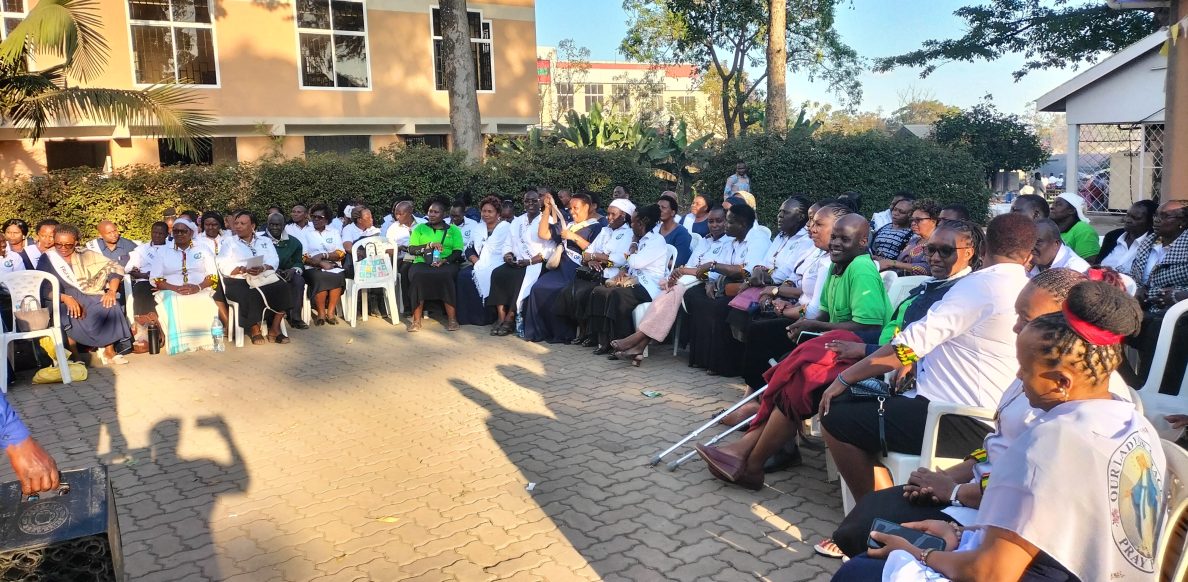
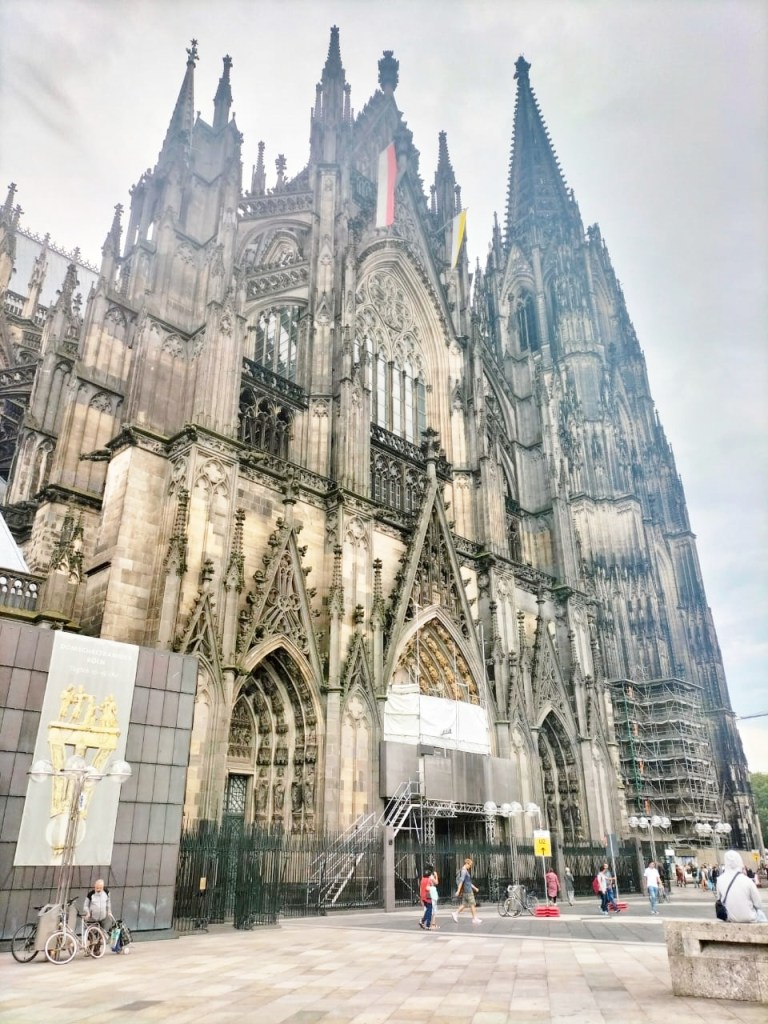
“I do not know what to do as a priest anymore,” says Fr. Philip as we walk inside the parish graveyard. “In the last few years, I see less and less people attracted to Church programs and that makes me feel useless to society” He adds. The Greek philosopher Heraclitus once said that the only permanent thing in the world is change, and you cannot step twice into the same river. “When we were growing up”, Fr. Philip breaks the silence, “we used to listen to stories of the 50s and 60s from our parents and grandparents about how they used to attend morning masses every day and participate in different church activities. Today, this has changed drastically, and the present generation seems not to be so much attracted to Church life.”
Things seem to change a lot faster than they used to before the new millennium, not only about faith matters but also about the things that attract people in general. With the explosion of digital technology and digitalization, products, services, and processes are going out of fashion within very short periods of time and are replaced quickly by new versions or completely new inventions. The other day I visited a supermarket to buy a certain body lotion that I had used for more than 20 years. After a long search on the shelves, I decided to ask one of the attendants who directed me to the shelf. After he showed me, I told him that it was not what I was looking for, the bottle was different from the one I used to buy. He told me that the company had rebranded the product and now it has a new look.

This wave of change is affecting our lives as individuals and communities in terms of social interactions, health, communication, religious practices, and in fact the whole concept of marriage and family not forgetting priesthood and religious vocations. Already there are many signs that the world is taking a new paradigm shift, and that change is inevitable for both secular and religious life. Vocations to religious life and marriage are equally affected. Young people have a very different interpretation of life.
Everyone is a child of his or her time. Many times, we judge others using our own standards. We fail to appreciate that each one interprets the world according to the orientation he or she has. However, we also know that it is possible for people who have diverse cultural backgrounds and generational differences to come together and build communities united by a common purpose. For this to happen, everyone needs to rebrand, especially those charged with the responsibility of leading communities. The biggest challenge we have in many communities is the conflict of perspective. Without proper training and transformation, many of us tend to do things according to our own orientation and interpretation.
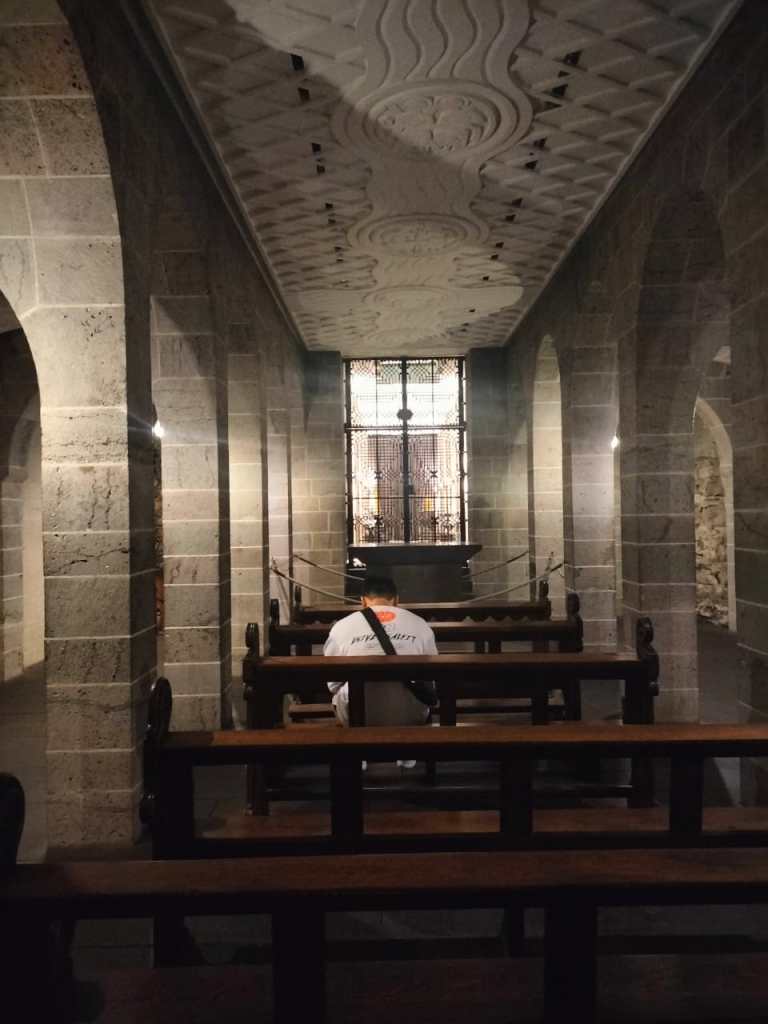
What to do now? How are we supposed to move forward? We can try to alter the natural order and fashion it according to our own image and likeness, but nature always finds a way of reclaiming its originality.
Many countries in the world are changing their school curriculums and embracing more competency-based education for their children to compete well on a global platform. Artificial intelligence is threatening to render human intervention irrelevant in many aspects of our daily lives. The world has become a global village and fanatical nationalism may not help future generations economically, politically, or socially. We are looking at a future where international borders will only exist in theory. The Church itself must be prepared to respond to the needs of the people in a global world at its advanced level. The Church needs to find a better way to remain relevant in its role to form the morality of society while being inclusive. This must start with the preparation of priests and religious with a global mindset and capabilities to be able to respond adequately to global spiritual needs.
Globalization also poses similar challenges to the laity as well. Traditional human institutions such as families, clans, and communities are facing tremendous evolution. Global culture is advocating individual space rather than community, systems, and institutions. The individual is taking center stage and the tendency is that individual rights take precedence over the communities. This is not new because as early as the time of the ancient Greek Philosophers, Protagoras talked about “Man is the measure of all things,” (Plato, Theaetetus). The consequence of this is that institutions that help to check individual excesses are trivialized and deemed irrelevant. The promotion of a liberal culture has made parents, elders, teachers, and community leaders in society lose authority. This is negatively impacting society and its institutions. Young people are finding it difficult to follow instructions and the wishes of their parents or elders. When they get into positions of power, you can only imagine how they conduct themselves.
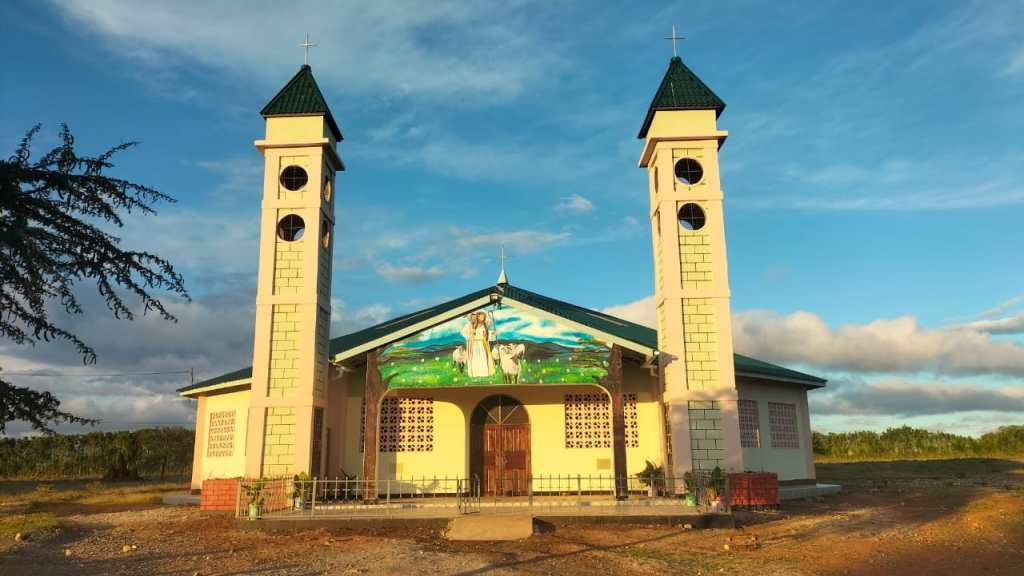
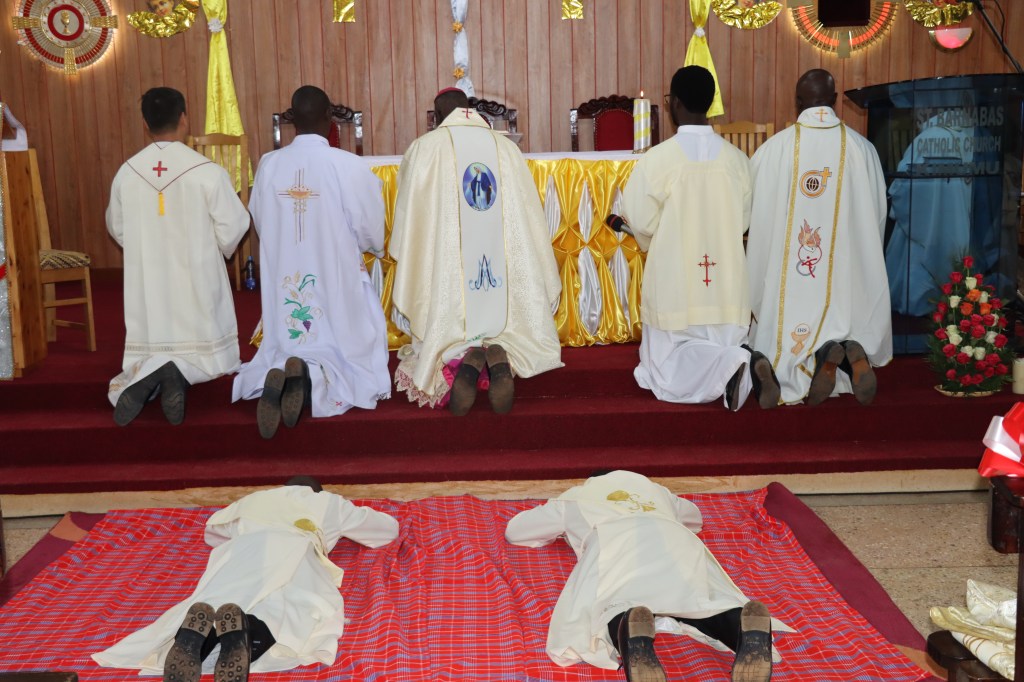
These same “liberated” young people are the ones that are entering our seminaries and religious formation houses to become priests and religious. This combined with old-fashioned formators, and formation programs makes it difficult to get a balance in the men and women who are coming out as priests and religious. Many candidates drop out from formation and some who make it through formation face many challenges in their ministry. This is because they are formed in ancient ways and sent to ministry to the new world.
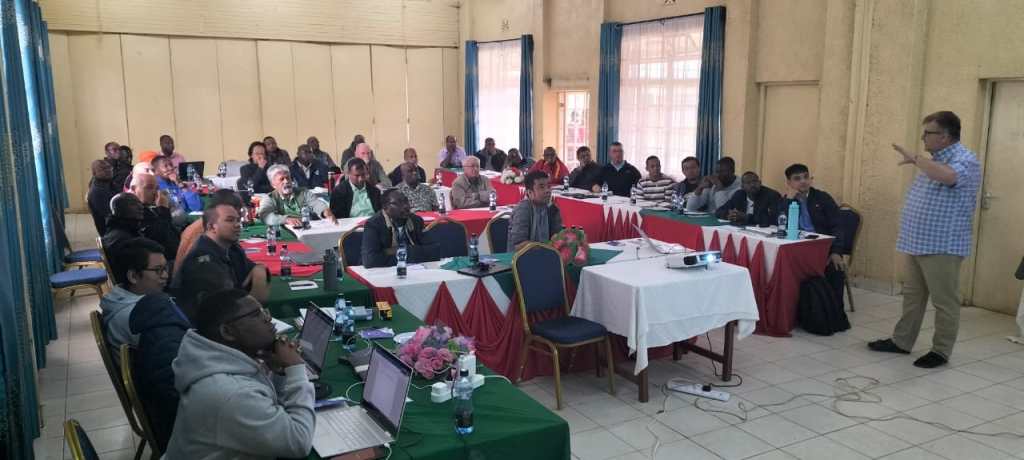
My point here is that it is paramount that we read the signs of time and act accordingly in all aspects. We need to revise our civil laws, our social institutions, our education systems, religious formation programs, and the kind of orientation we are giving to young people so that we can continue to play the same important role in shaping the value system of our society. As I submit my opinion in these few paragraphs, I do not claim to exhaust all that should be said on this topic. On the contrary, my intention is to provoke a debate that I think is of utmost importance to find its way into our assemblies, chapters, community meetings, and even in the secular arena.
Fr. Lawrence Muthee, SVD
 SVD JAMBO KENTAN